We’re seeing higher mortgage interest rates this morning as the Iran ceasefire struggles to stand on shaky Bambi legs. Will it find its footing? Time will tell, though where rates go may be less about what’s actually going on overseas and more how the markets feel about current events.
The average interest rate on a 30-year, fixed-rate mortgage rose to 6.24% APR, according to rates provided to NerdWallet by Zillow. This is five basis points higher than yesterday but seven basis points lower than a week ago. (See our chart below for more specifics.) A basis point is one one-hundredth of a percentage point.
We also got some new inflation numbers this morning that showed that as bad as we think March was, February wasn’t so great, either. Keep reading below the chart for details.
Average mortgage rates, last 30 days
📉 When will mortgage rates drop?
Even though the Fed does not set mortgage rates, its actions ripple out through the economy. We often see mortgage rates head higher or lower on expectations of action from the Federal Reserve. If it doesn’t look like the central bankers will be in a rate cutting mood — and for this month’s meeting, it most certainly does not — we shouldn’t expect downward pressure on mortgage rates.
This morning we got the first of two major inflation reports coming out this week. We’ve got the Consumer Price Index (CPI) on tap for tomorrow, and today brought new numbers from the Personal Consumption Expenditures Price Index (PCE).
Well, they’re not that new. PCE may be the Fed’s preferred inflation measure, but since the Bureau of Economic Analysis is still playing catch-up from last fall’s government shutdown, today’s data is from February. Yep, the Before Times. The biggest yikes? Things were already not going well pre-Iran.
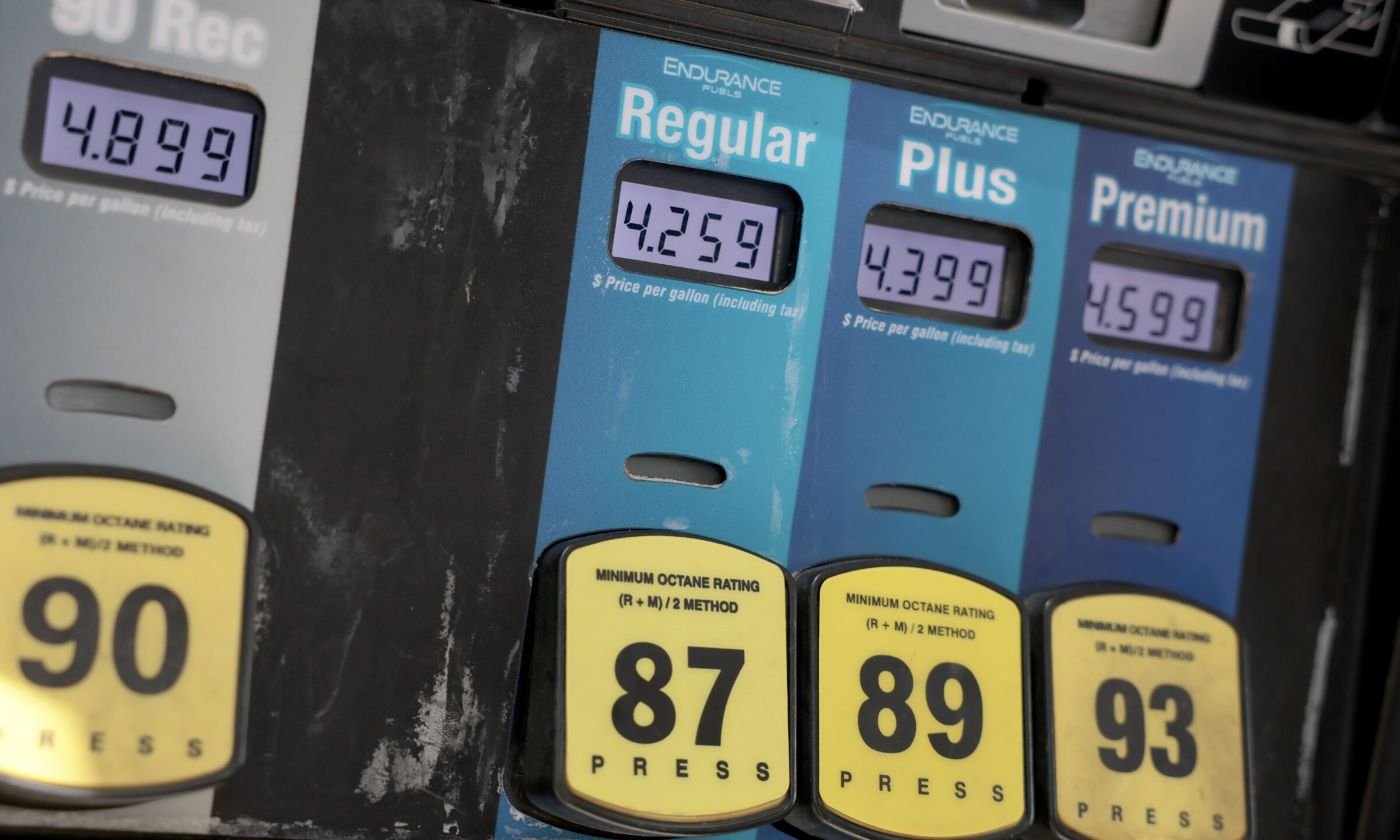
“Goods inflation quickened in February, driving overall price growth higher before the military conflict in Iran began,” says NerdWallet senior economist Elizabeth Renter. “While gas inflation is highly volatile, often bouncing between positive and negative, there’s little doubt we’ll continue to see it travel in the same direction — upwards — when we see March and April data.”
The Bureau of Labor Statistics is back on track and releasing the latest CPI numbers on time, so we don’t have to wait long for March inflation data. We’ll have the CPI in hand in less than 24 hours. Though CPI is less comprehensive than PCE, it’s what most people who aren’t Fed governors use to track inflation.
Any hopes for a spring rate cut from the Federal Reserve have already been extinguished. But if the CPI’s looking grim, forget spring — the odds of a Fed rate cut this year will dwindle.
Refinancing might make sense if today’s rates are at least 0.5 to 0.75 of a percentage point lower than your current rate (and if you plan to stay in your home long enough to break even on closing costs).
With rates where they are right now, you could start considering a refi if your current rate is around 6.74% or higher.
🏡 Should I start shopping for a home?
There is no universal “right” time to start shopping — what matters is whether you can comfortably afford a mortgage now at today’s rates.
🔒 Should I lock my rate?
Rate locks protect you from increases while your loan is processed, and with the market forever bouncing around, that peace of mind can be worth it.
🤓 Nerdy Reminder: Rates can change daily, and even hourly. If you’re happy with the deal you have, it’s okay to commit.
🧐 Why is the rate I saw online different from the quote I got?
In addition to market factors outside of your control, your customized quote depends on your:
Even two people with similar credit scores might get different rates, depending on their overall financial profiles.
👀 If I apply now, can I get the rate I saw today?
Maybe — but even personalized rate quotes can change until you lock. That’s because lenders adjust pricing multiple times a day in response to market changes.
About the author