Gorodenkoff/Shutterstock
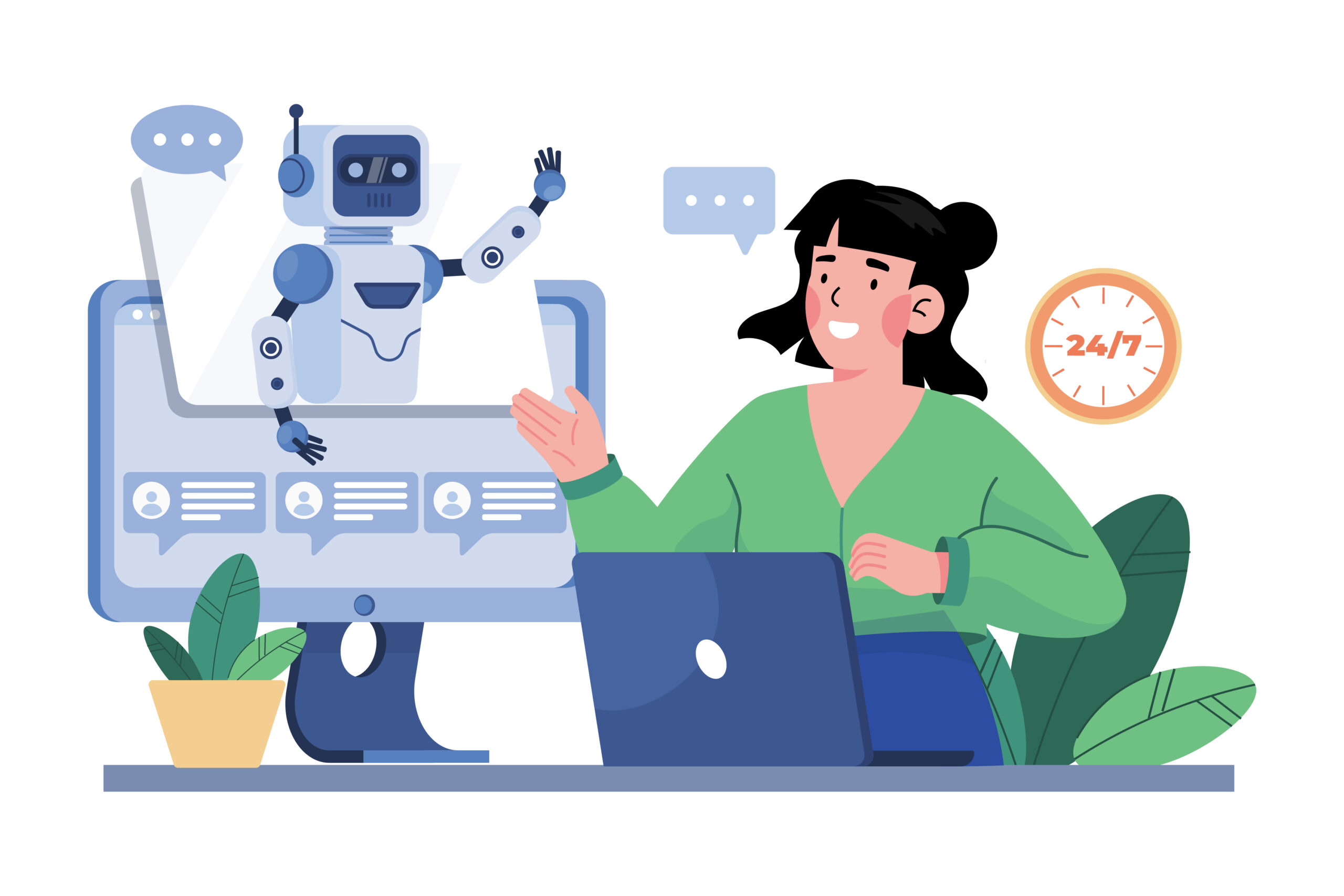
In part two of this HigherEdJobs Podcast conversation with Dr. José Antonio Bowen and Dr. Edward Watson, the focus shifted from faculty anxiety to the question: “How can artificial intelligence support human thinking instead of replacing it?”
Watson began by pointing out a growing tension between higher education and the workplace. “What we call cheating in higher education, business is calling progress,” he said. For him, the focus is less on policing AI use, and more on how it fits into learning. “The learning outcome and the professor’s preference should drive those choices,” he explained.
Bowen shared an example from the medical field. He noted that most doctors now use AI daily for things like note-taking and insurance coding. But more recently, many are using it to explore different diagnoses. “80% of doctors say it’s making them better doctors,” Bowen said. In part, that is because they can listen more closely to patients while AI helps them consider what other things they might be missing.
“For a medical student, you don’t want to short-circuit the thinking,” Bowen said. “But if you’re already an expert, having a partner that says, ‘It could also be this,’ can make you better.”
He compared this to calculators in math. Students still need to learn how to do the work themselves, but eventually, technology becomes part of practice. “The question is not if we introduce AI,” Bowen said. “It’s when and how.”
Andy then asked how AI can individualize learning without weakening human connection. “What are the most promising ways that AI is going to allow us to grow the way it should, but not weaken our ability to interact with others?” he asked.
Bowen admitted that the answer to that question is still unclear. “I believe human relationships drive a great education,” he said. “But right now, that is still a belief. We’re entering a new age.”
He explained that many campus interactions feel relational, but are actually just administrative. “A lot of advising is not advising,” Bowen said. “It’s prerequisites, schedules, and forms.” He suggested that AI could handle those tasks, allowing faculty to focus on real conversations about how students are feeling and where they are headed.
Watson agreed and imagined how this might change faculty work. If AI reduced time spent grading and preparing, faculty could spend more time with students. “What might we do with that extra time?” He asked. “We could reinvest in relationships.”
He pictured professors meeting students in dining halls, talking about careers, life goals, or even hobbies. “It’s hard to do that now when you’re carrying a heavy teaching load,” Watson said.
Bowen added that AI can also make assignments more meaningful. Instead of using the same example for every student, AI can customize problems based on student interests. “We could give every student a problem set that actually motivates them,” he said. “That used to take too much time. Now it doesn’t.”
As the conversation continued, Bowen returned to a deeper concern. “Some of this is not about technology,” he said. “It’s about what we feel comfortable with.”
He compared AI to self-driving cars. Even when they are safer, people still feel uneasy. “The problem is really our human anxiety,” Bowen said. He believes the same is true for AI in writing, medicine, and teaching.
When asked about new content in the second edition of “Teaching with AI,” Bowen highlighted a new chapter on custom bots. He explained that faculty can design bots that act as tutors, assignment guides, or even exam replacements. “Instead of taking a midterm, you might talk to Einstein, the bot,” he said. “And the bot helps you learn until you’re ready.”
Watson discussed the updated chapter on AI literacy. “We looked at a lot of different frameworks,” he said. “We tried to find what they had in common and build something useful for higher education.”
The guests also shared resources for faculty who want to keep learning. Bowen pointed listeners to WeTeachWithAI.com “It has all the prompts from the book,” he said, along with models, policies, and assignment ideas. Watson added that AAC&U offers workshops, institutes, and leadership programs focused on AI across higher education.
For the full conversation on how AI can support human thinking, reshape relationships in learning, and influence how institutions approach teaching, listen to the episode below and explore how Bowen and Watson envision learning alongside technology.
Enjoying conversations like this one? Subscribe to the HigherEdJobs newsletter for podcast updates, new episodes, and insights from across higher education — delivered straight to your inbox.