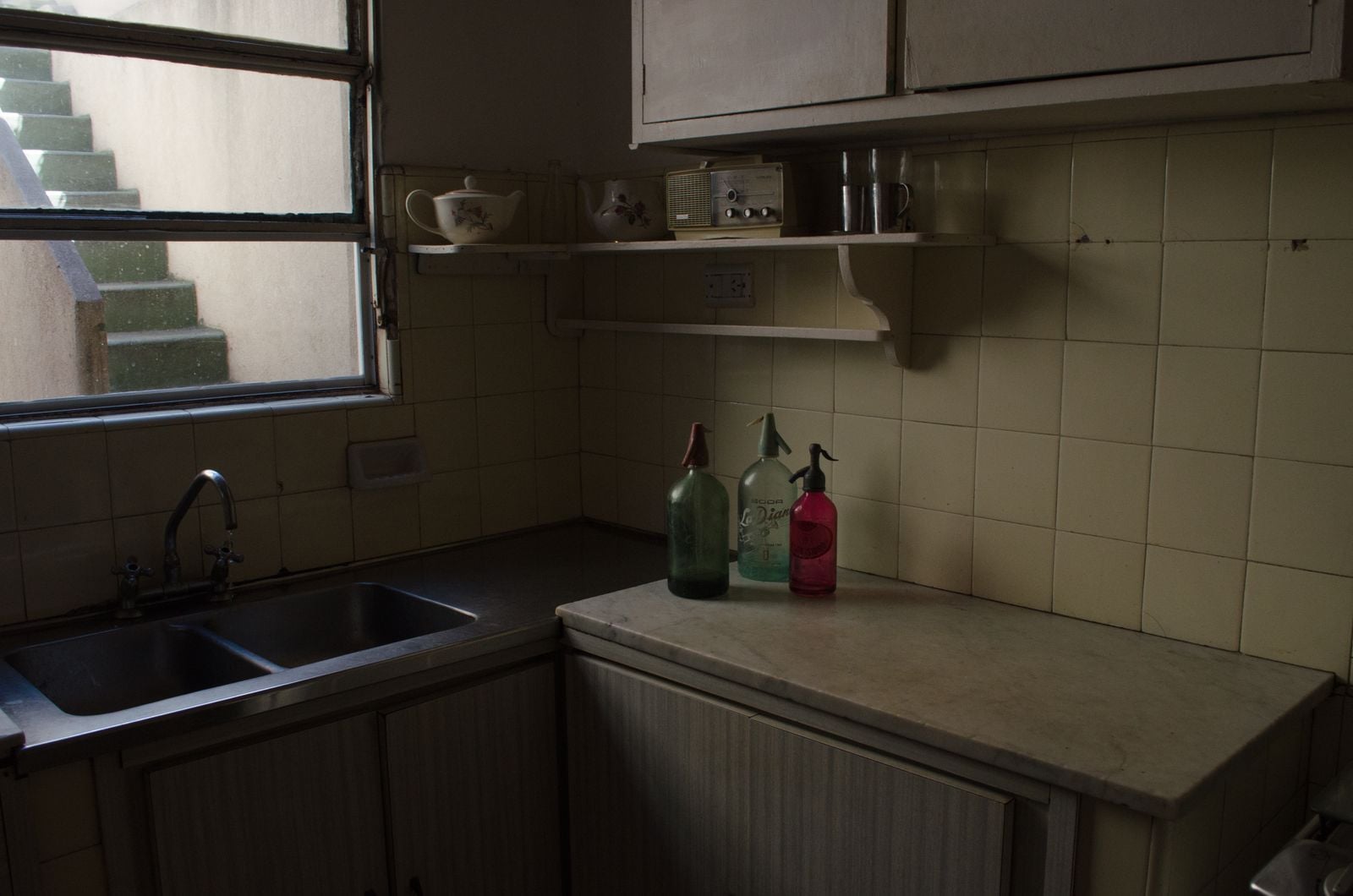
She walks into the kitchen at 6:40, fills the kettle, and reaches for the small radio on the windowsill before she does anything else. The dial is already set to a local station she does not particularly like. A weather report fades in, then a traffic update, then a host reading a birthday dedication for someone she will never meet.
She does not sit down to listen. She moves around the room — toast, mug, the cat’s bowl — while the voices run underneath.
Ask her why and she will say it keeps her company. That is the answer most people give. A way to fill the silence. A trick to feel less alone in a house that has emptied out for the day.
But that explanation misses a deeper layer. For some people, the need for low, indifferent human voices in the air goes back to childhood homes where silence did not feel peaceful. It felt like something had shifted.
The kitchen as the original instrument panel
Children are good readers of household weather. Long before they can explain what they are picking up, they can tell the difference between the clatter of a parent making breakfast and the particular quiet that arrives before tension enters a room. A radio murmuring through the morning meant the adults were still moving through the day. A kettle. A weather report. Somebody humming along to a song they only half-knew. The dishwasher being unloaded. A second cup of coffee being poured. The dog being let out. Each of these sounds was a small data point, and together they added up to a verdict: the morning is holding. That soundscape was, for many people, the closest thing to a daily all-clear signal. It said the routine was intact, no one was upset yet, and you could put your shoes on without bracing for a change in the air.
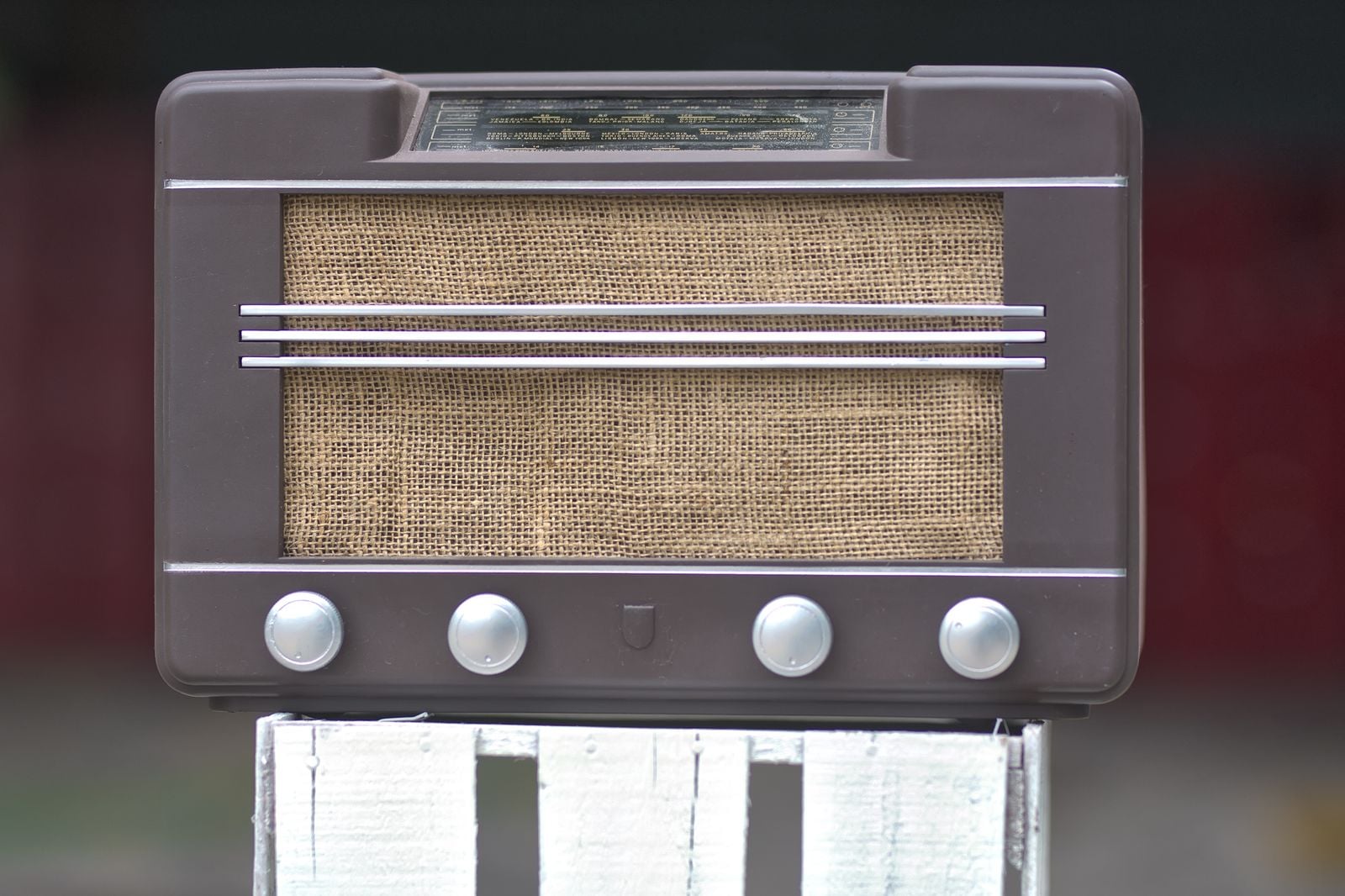
The voices and tones that fill a room become part of how the room itself is remembered. Long after the visual details fade, a person may still remember the sound of a house that felt safe enough to move through.
Background noise as a private form of reassurance
Adults who keep the radio on may be doing something more specific than warding off loneliness. They are recreating a sensory condition they once associated with things being manageable.
Silence, for a person whose childhood home was unpredictable, is not neutral. It is information, and the information is hard to sit with. This is why an empty, quiet house can make some people uneasy even when they enjoy being alone. The quiet does not feel like quiet. It feels like the pause before someone’s mood changes, before a door opens, before the day becomes less predictable.
The radio interrupts that pattern. It supplies the cue the person is waiting for: ordinary human sound nearby, with no demand attached to it.
Why sound, specifically, does this
Sound has a particular power inside a home. Vision stops at a closed door. Sound travels through walls. It tells a person whether the house is active, calm, busy, tense, or still.
That is why background audio works differently from music chosen for pleasure. A morning talk show counts. So does a sports commentary nobody is really following. So does a local presenter reading traffic updates to a room where no one is listening closely.
The content is beside the point. What matters is that the sound is human, mild, and uninterested in the listener. The listener is overhearing, not being addressed. That distinction matters. For a child who learned to stay alert around adult moods, the safest kind of human presence was the kind that did not require anything in return.

The sound of nothing bad happening yet
There is a phrase that captures this better than any formal explanation. Nothing bad is happening yet.
For children who grew up in volatile or emotionally unpredictable households, that phrase described the operating condition of many ordinary days. Things were fine until they were not. The child’s job was to track, in real time, where the house currently sat.
The morning radio sat near the calm end of that spectrum. So did the porch light staying on. So did the sound of a parent moving around in the next room with the news playing low.
The radio habit works in the same register. It is a small environmental adjustment that translates, somewhere below conscious thought, as the day is still okay.
What gets carried forward from a difficult childhood
Not everyone who leaves the radio on grew up in a frightening house. Plenty of people simply like the sound of voices.
But for a meaningful subset, the habit is one of the soft, lifelong adaptations that develop in homes where attention had to stay sharp. A person grows up, moves out, builds a calmer life, and still arranges the room so it feels easier to inhabit. Many of those adaptations are environmental. Keeping one drawer perfectly organised. Sleeping with a light on. Needing the television running before sleep. Leaving the radio on before the house has had a chance to feel too still.
These are answers to a question the person once had to ask all the time: what does safety sound like?
The grown-up version of the same trick
The habit often survives material safety. People who now live in calm, kind, predictable homes still reach for the dial. The radio gets switched on before the coffee is poured. Before the day has even given them a reason to feel unsettled. It is preemptive.
That preemptive quality is the clue. The sound is not responding to a crisis. It is trying to keep the room inside the range of ordinary.
There is something tender about that. The adult is not afraid of the house they live in now. They are keeping one small promise to the younger version of themselves who listened closely for signs that the morning would hold.
Why the content of the radio almost never matters
Ask people what they actually have on, and the answers are striking in their indifference. A local station they do not particularly like. A talk show whose hosts they find irritating. The same news cycle they will scroll through on their phone an hour later.
Nobody is listening in any focused way. That is the point.
If the radio were chosen for content, people would curate playlists or pick podcasts. Instead, they pick whichever signal sounds most like the texture of a house with someone in it. They are not reaching for entertainment. They are reaching for a frequency of human presence.
What the habit may be doing
Most of the time, the habit does not need to be fixed. It is one of the cheaper, gentler ways a person can make a room feel easier to live in. The radio costs nothing. It harms no one. It does not require a long explanation to anyone else in the house.
The instinct to interrogate every coping mechanism, to insist that a person trace each small comfort back to its source before they are allowed to keep using it, gets this wrong. A functional adaptation that makes a room livable does not owe anyone an origin story. The woman at the kettle at 6:40 is not avoiding her childhood by turning on the radio. She is running her morning. The habit pays for itself every day it works, and it asks nothing of anyone else in the building.
That is what a home is supposed to do.









-1024x683.jpg "Judge Who Helped Violent Illegal Alien Evade ICE Faces New Test")


-1024x683.jpg "Montana Puts Democrats in a Bind as Senate Hopes Fade")