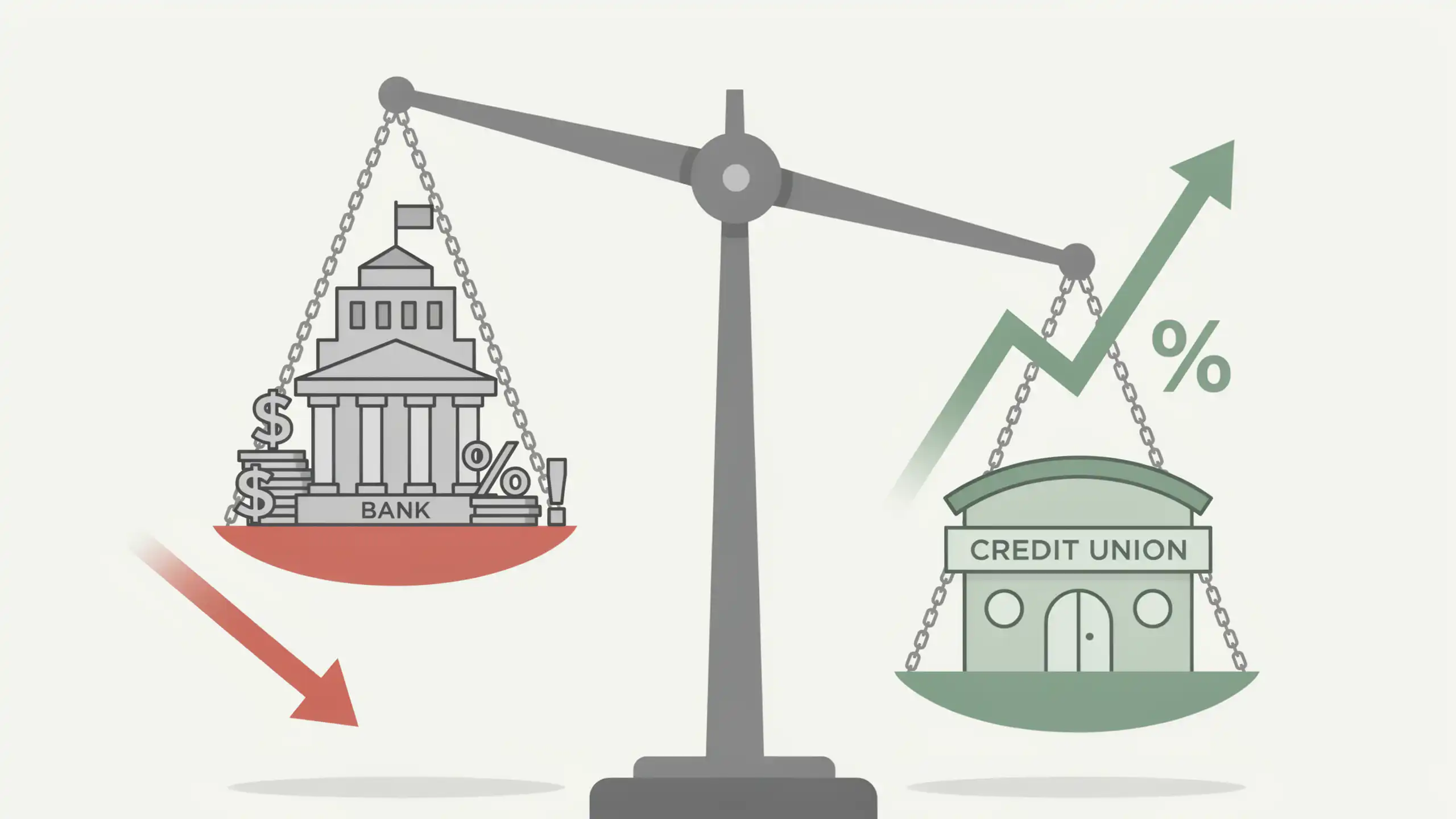
Traditional sampling methods can’t catch systemic data issues in today’s high-volume audit environment, and the gap between assumed accuracy and validated data is widening fast.
Highlights
The audit validation gap risks material misstatements due to unverified large data volumes.
Traditional manual sampling and spreadsheet methods fail to ensure data accuracy and completeness.
AI-powered continuous validation offers a competitive edge by improving audit quality and efficiency.
It’s 2 AM during busy season. Your senior auditor just found a revenue recognition error that manual sampling never caught. The client’s data looked clean. Your team tested everything. But no one systematically validated the underlying data.
This scenario plays out in audit firms every busy season and it’s getting worse.
As data volumes explode and timelines compress, the gap between raw data and truly validated audit data widens. The stakes? Regulatory scrutiny intensifies. Material misstatements carry severe consequences. Clients expect faster turnarounds with fewer surprises.
Welcome to the audit validation gap. And it’s time we close it.
Jump to ↓
What is the audit validation gap?
The hidden costs of assuming accuracy
Why traditional audit data validation approaches can’t close the gap
The difference between audit data and validated audit data
Why the AI era demands better audit validation
A path forward: Closing the validation gap
The bottom line for your audit firm
What is the audit validation gap?
The audit validation gap occurs when auditors assume the accuracy of massive data volumes without systematic verification. As data grows exponentially during busy season, traditional manual sampling fails to capture systemic issues, creating a dangerous gap between assumed accuracy and actual validated audit data.
This isn’t just a technical problem. According to the 2026 AI in Professional Services Report from Thomson Reuters Institute, 40% of organizations are now using GenAI, nearly double the 22% from last year, yet many firms still rely on outdated validation methods that can’t keep pace with modern data complexity.
The hidden costs of assuming accuracy
Think about your typical audit engagement. Clients provide data exports from multiple systems: ERP transactions, bank confirmations, vendor lists, payroll records.
Your team performs risk assessment. Determines sample sizes. Tests selected items.
But here’s the uncomfortable truth: despite widespread AI adoption, only 18% of organizations collect metrics around return on investment from AI tools, return on investment from AI tools, and even fewer measure data quality systematically.
What are the real costs of this validation gap?
For audit quality:
Increased risk of material misstatement going undetected
Weakened audit trail and documentation
Potential peer review or PCAOB inspection findings
Reputational damage if client financials require restatement
For efficiency:
Late-cycle discovery of data issues causing massive rework
Senior auditor time consumed by manual reconciliation
Compressed review periods and delayed completion
Multiple rounds of client data requests eroding relationships
For your competitive position:
Inability to offer real-time insights or advisory services
Losing clients to firms with more sophisticated capabilities
Difficulty attracting tech-savvy talent who expect modern tools
The validation gap is creating business risk that impacts your firm’s profitability, quality ratings, and long-term viability.
Why traditional audit data validation approaches can’t close the gap
Let’s be honest about the methods most firms still rely on:
Manual sampling can’t capture systemic data issues. You might test 60 transactions out of 10,000, but what about the patterns hiding in the 9,940 you didn’t examine? Outliers, duplicate entries, and unauthorized transactions slip through.
Spreadsheet-based reconciliation introduces its own errors. Version control becomes a nightmare. Formulas break. One wrong cell reference can cascade through your entire workpaper.
Client-provided reports assume the accuracy of underlying data and the effectiveness of client controls. But what if the client’s data extraction query was flawed? What if subsequent adjustments weren’t captured?
Spot-checking provides false confidence. Testing a few high-dollar items tells you nothing about the population’s overall integrity.
Here’s the reality: among tax firms currently using GenAI tools, 86% report using them at least weekly. Your clients are adopting these technologies. Your competitors are too.
The question isn’t whether to modernize your validation approach. It’s how quickly you can do it without disrupting audit quality.
The difference between audit data and validated audit data
Not all audit evidence is created equal. Understanding the distinction between raw data and validated data is critical.
Raw data
Validated data
Extracted from source systems
Verified against authoritative sources
May contain duplicates, errors, gaps
Cleansed and reconciled
Lacks complete audit trail
Includes documentation of verification process
Requires assumption of accuracy
Provides confidence through evidence
Why this matters: Four critical dimensions separate assumption from assurance.
Completeness: Is all required data present? Are there gaps auditors don’t see? Missing intercompany eliminations or incomplete related party disclosures can hide in plain sight when data isn’t systematically validated.
Accuracy: Does the data reflect actual transactions, or are there errors in extraction, transformation, or client-side processing? Even small errors compound when you’re dealing with millions of transactions.
Timeliness: Is the data current, or could subsequent adjustments have occurred? Real-time validation catches issues before they become year-end surprises.
Authorization: Was the data properly approved and within authorized parameters? Validation protocols help identify transactions that fall outside normal business patterns.
Professional standards from the PCAOB and AICPA require auditors to assess data reliability, yet many firms lack systematic processes to do so. The gap between what standards require and what firms actually do is growing.
The rise of AI has accelerated this gap, but it also created an unprecedented opportunity to close it.
Why the AI era demands better audit validation
There’s tremendous excitement about AI’s potential to transform auditing. And it should excite you. AI-powered tools can analyze entire populations, identify anomalies, and provide insights that manual methods never could.
But here’s what many firms miss: AI tools are only as good as the data you feed them.
If you’re training algorithms on unvalidated data, you’re amplifying existing problems. Garbage in, garbage amplified out.
Fiduciary-grade AI should reinforce, never bypass, standard audit procedures. That means validation must be foundational to your AI strategy.
The technology should:
Automate verification against authoritative sources
Provide real-time alerts on exceptions
Maintain transparent audit trails showing what was validated, when, and by whom
For firms looking to learn more about ensuring accurate data review, the key is embedding validation at every stage of the audit process, not treating it as an afterthought or checkbox exercise.
With the right approach, your firm can transform validation from a weakness into a competitive strength.
A path forward: Closing the validation gap
The good news? Closing the validation gap doesn’t require ripping up your entire audit methodology.
It requires strategic enhancements that make audit firm validation systematic, continuous, and technology-enabled.
Principles of effective audit data validation:
Automated verification: Technology that checks data against authoritative sources in real-time, not just at year-end
Continuous validation: Built into planning, risk assessment, and fieldwork, not just a final review step
Standardized protocols: Consistent validation procedures across all engagements and audit teams
Transparent audit trails: Clear documentation showing what was validated, when, by whom, and what exceptions were found
Integration with existing workflows: Validation that happens seamlessly, enhancing rather than disrupting your proven audit methodology
Think about automated audit testing solutions, allowing auditors to focus analytical attention where it matters most. that can process entire populations rather than samples. Consider tools that flag anomalies automatically, allowing auditors to focus analytical attention where it matters most.
Firms exploring AI in modern auditing are discovering that validation capabilities are table stakes for any serious digital transformation initiative.
During busy season specifically, AI-enabled validation can:
Triage prepared-by-client (PBC) requests
Prioritize high-risk areas automatically
Alert engagement managers when budgets or quality metrics drift
This preserves audit quality even under compressed timelines.
The bottom line for your audit firm
The validation gap isn’t closing on its own. It’s widening as data volume and complexity accelerate.
Forward-thinking audit firms are addressing this challenge head-on. They’re building systematic validation into their methodology from day one.
The firms that close this gap will:
Reduce risk and improve efficiency
Position themselves as trusted advisors who deliver insights, not just compliance
Attract better talent who want to work with modern tools
Win more engagements because clients recognize their superior capabilities
Most importantly, they’ll sleep better during busy season. They’ll know their audit conclusions rest on a foundation of validated, trustworthy data, not assumptions and crossed fingers.
The choice is yours: continue assuming data accuracy and hoping manual sampling catches the problems, or adopt a systematic validation approach that brings confidence, efficiency, and competitive advantage to every engagement.
Discover how leading audit firms are transforming their data quality and validation processes. Download our comprehensive white paper A clear path forward: The auditor’s guide to digital transformation today.
White paper
A clear path forward: The auditor’s guide to digital transformation
Read white paper ↗