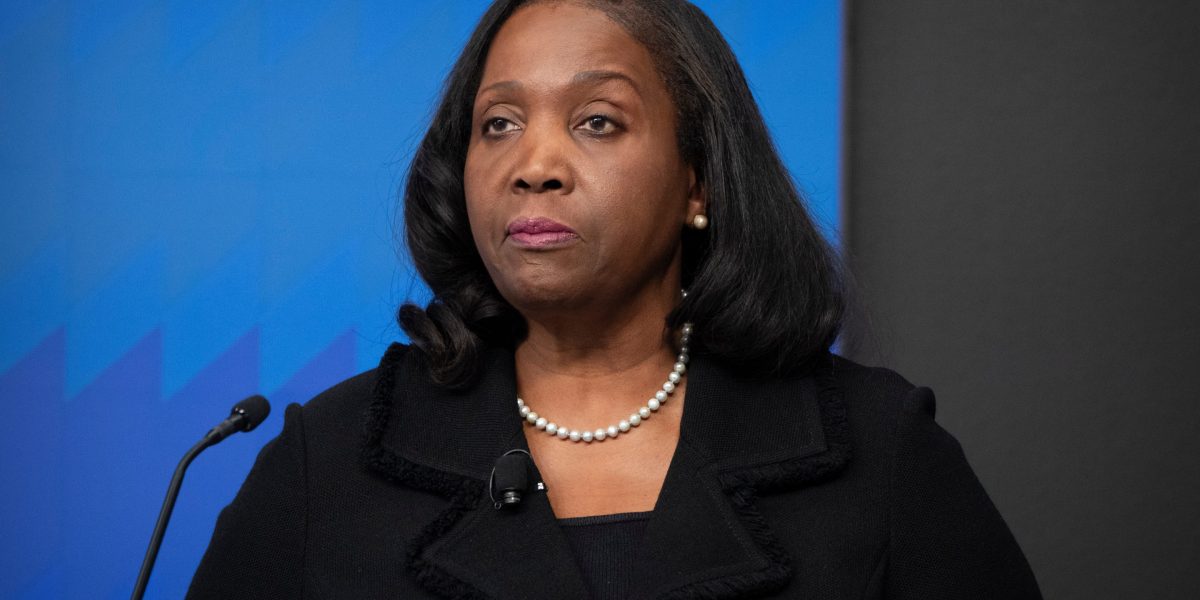
Trump said on Monday that he had put on hold a “scheduled attack of Iran tomorrow” after appeals from the leaders of Qatar, Saudi Arabia and the United Arab Emirates. Earlier in the day, Trump told the New York Post that Iran knows “what’s going to be happening soon,” though he did not provide further details.
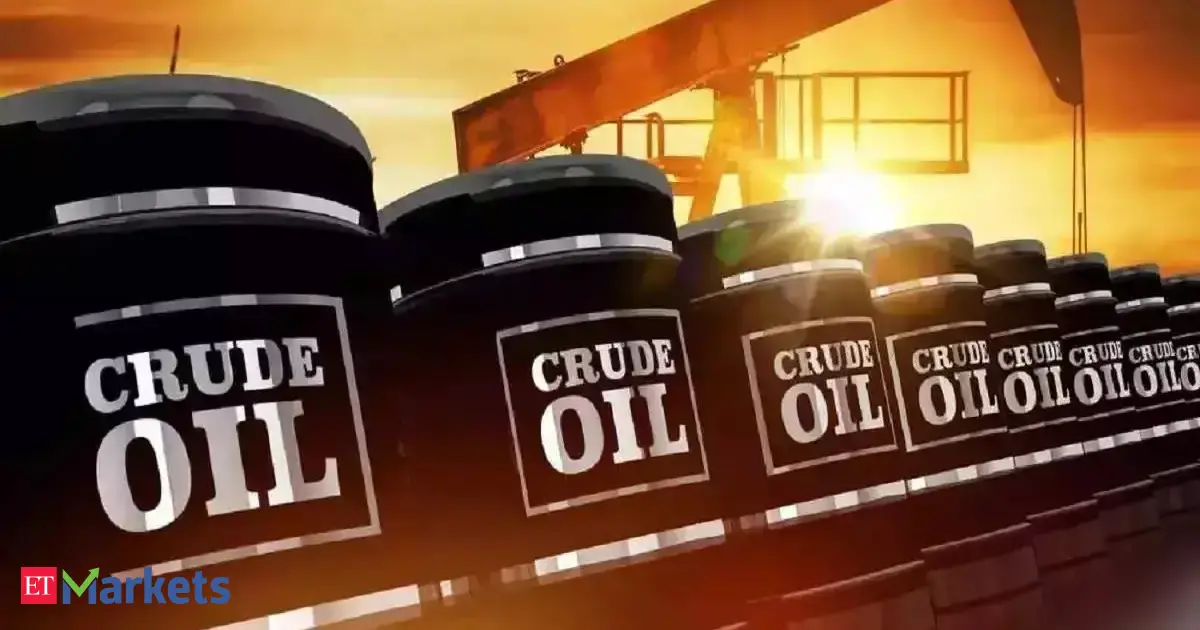
Crude oil price on May 19
International benchmark Brent crude futures for July delivery dropped more than 2% to $109.15 a barrel, while West Texas Intermediate futures fell 1.27% to $107.28 a barrel. Axios had earlier reported that Trump was considering renewed military action after Tehran’s latest proposal in negotiations aimed at ending the conflict failed to meet expectations.
Prior to his remarks on Truth Social, there had been little public indication that Washington was preparing imminent military action against Iran, a move that would likely have ended the fragile ceasefire reached on April 8.Speaking later at a White House event, Trump said, “we were getting ready to do a very major attack tomorrow.” “I put it off for a little while, hopefully maybe forever, but possibly for a little while,” he said, adding that “we’ve had very big discussions with Iran, and we’ll see what they amount to.”Tensions between Washington and Tehran have flared up once again and, while the ceasefire technically remains intact, expectations of a quick reopening of Hormuz have weakened considerably.
What are experts saying?
Analysts at Morgan Stanley said the oil market is in “a race against time,” warning that the factors keeping crude prices from rising further may fade if the Strait of Hormuz remains shut into June.
Despite disruptions impacting nearly 1 billion barrels of oil supply, crude prices remain below the highs seen in 2022 after Russia’s invasion of Ukraine. Analysts led by Martijn Rats said the market entered the current crisis with stronger supply buffers, while investors continue to expect that the strait will eventually reopen.
Morgan Stanley also said higher U.S. crude exports and softer Chinese imports have helped cushion the market from a deeper supply shock so far. However, the brokerage warned that a prolonged closure of Hormuz could once again tighten global supplies if disruptions continue beyond what China or the United States can absorb comfortably. Haitong Futures said markets remain cautious and warned that the ceasefire may not hold for long. The brokerage added that stalled negotiations between Washington and Tehran could trigger another round of escalation and push oil prices even higher.
Saudi Aramco CEO Amin Nasser said earlier this month that disruptions to shipments through Hormuz could delay stability returning to oil markets until 2027, with around 100 million barrels of oil supply per week potentially affected.
(Disclaimer: Recommendations, suggestions, views and opinions given by the experts are their own. These do not represent the views of The Economic Times)