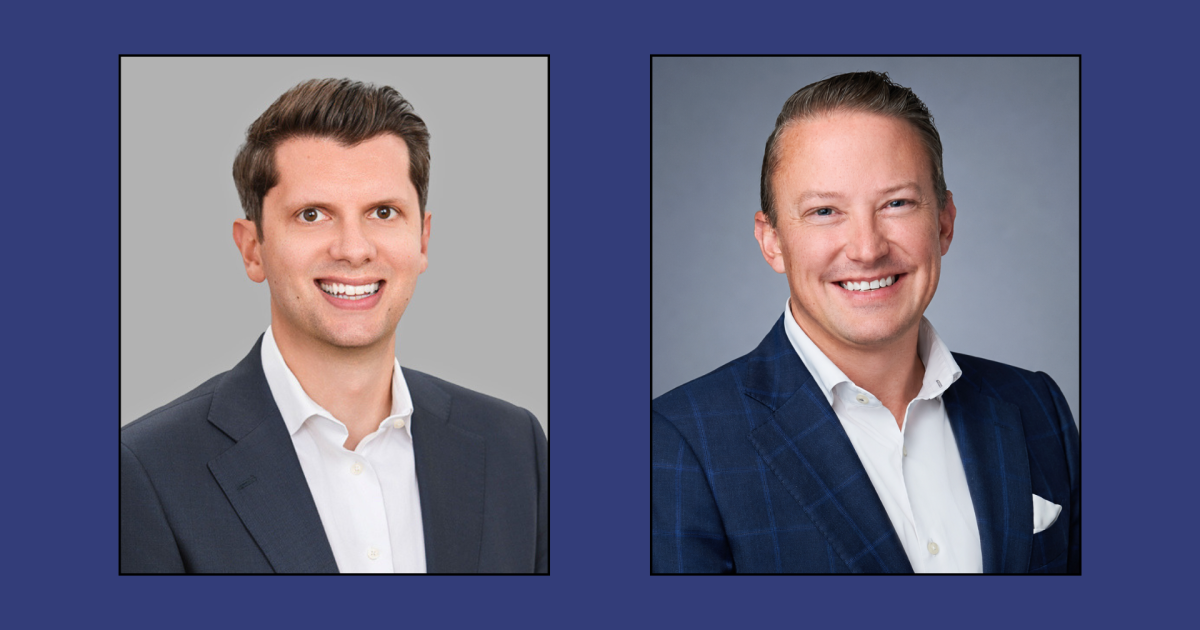
A wealth management organic growth technology firm is betting that artificial intelligence tools will help more financial advisors tap into the industry’s most traditional source of new clients.
Processing Content
Last month, WealthReach launched Multiply, which applies an AI agent based on longtime industry consultant Dan Allison’s “feedback marketing” method to coach advisors on how to ask clients for referrals effectively. The service costs $150 per month for each user, with discounted rates when bundled with the firm’s Attract and Convert tools.
In an industry that is increasingly focused on business expansion outside of asset appreciation, old-fashioned referrals remain the biggest drivers of growth via new customers or larger relationships in the existing base. For instance, 62% of advisors surveyed as part of Financial Planning’s March Financial Advisor Confidence Outlook study rated referrals as their top source of new clients — nearly triple the next-largest share who chose so-called centers of influence recommendations from certified public accountants or other professionals.
But, to get those prized referrals, advisors need to do more than simply ask clients for names and contact information, according to Michael Barrasso, the co-founder and CEO of WealthReach.
“It’s, ‘How do I coach my clients on how to refer?'” Barrasso said. “The problem is not that they’re not doing it, it’s that they don’t know how.”
READ MORE: RIAs that don’t invest in marketing aren’t growing organically, study says
Growth tools as recruiting edge
And advisors’ interest in learning more strategies and resources for organic growth is turning that type of training into a differentiator for registered investment advisory firms and other wealth management companies seeking to recruit them, according to Trey Prescott, the director of business development with Atlanta-based RIA platform Advisory Services Network. The company has reached more than 200 offices and nearly 260 advisors with more than $11 billion in client assets by providing services that include 60 practice management training calls each year, with several focused on referrals, Prescott noted.
Whether advisors are examining the paid referral networks offered by custodians or other vendors, considering hosting events for clients and friends or family members who could be prospective customers or using other approaches, it’s important for them “to be out there” asking for those recommendations, he said.
“It’s all about understanding your community,” Prescott said. “The big thing is to really partner with firms and people who want to support you in that method and give you new ideas as you go, too.”
READ MORE: Edward Jones and American Funds: A 60-year revenue-sharing alliance
They wrote the book on it
WealthReach is trying to do that through its tools that collectively aid how RIAs and other advisory practices show up in web and AI searches, contact prospects with personalized and compliant communication and — through Multiply — generate referrals.
The firm created that tool after its transaction earlier in April acquiring the intellectual property of Model FA, a coaching, marketing and growth firm where WealthReach’s other co-founder, David DeCelle, was the CEO. In March, DeCelle and Allison also published a book called “Organic Growth Revolution: A Systematic Approach for Financial Advisors,” and handed out free copies of it at the Future Proof Citywide conference in Miami.

WealthReach
Despite the fact that many clients say that they would be open to referring possible new customers to their advisors, the vast majority do not actually do so, according to the book. And part of that disconnect across the industry stems from a lack of technology infrastructure and practice training, Barrasso said.
“We talk to so many firms on a daily basis,” he said. “There are so many bright, shiny objects, and advisors just want to get all of them. But most of the firms that we talk to don’t have a really good end-to-end organic growth plan.”
Allison was a managing director at Model FA, consulting on referrals at firms with hundreds of thousands of advisors worldwide after starting his professional career as the co-founder of a mental health company. In addition, he has partnered in the past on research about client referrals with asset management firm Dimensional Fund Advisors, which describes his technique as a strategy to learn “how clients feel about your service offering and also open up the avenue to asking for referrals.” Allison has frequently explained his methods to advisors at industry conferences over the years.
After “a lot of going back and forth,” in conversations and transcripts of Allison’s talks over the years, WealthReach created the agent based on his methods, Barrasso noted. The tools available to advisors encompass everything from identifying ideal clients who would be likely to refer friends and family, educating them about the range of services provided by the firm that could be useful to them, setting up joint meetings with the customer and the prospect, and even analysis of possible missed referral opportunities through transcripts of meetings.
“We’re not just building a referral module and hoping it works,” Barrasso said. “This is built on a proven methodology.”