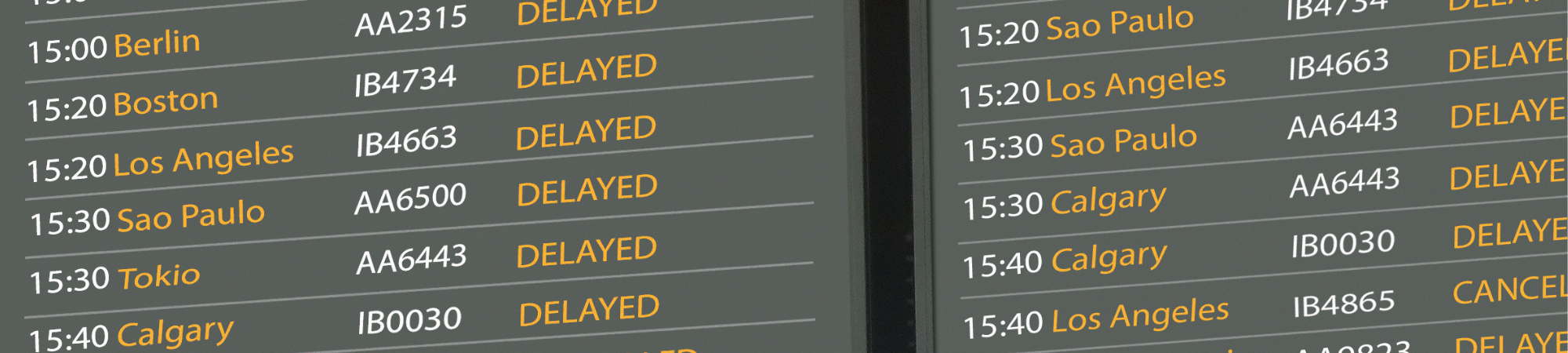
The latest conflict in the Middle East marks a sharp escalation in an already fragile global environment. While humanitarian concerns rightly remain front of mind, the ripple effects for the travel sector are far-reaching.
While the immediate impact of the conflict is being felt through flight cancellations, rerouting and rising costs, there is a deepening shift in how consumers plan and make travel decisions, especially in periods of uncertainty.
Rather than signalling a collapse in demand, these shifts reflect a recalibration. Travellers are not only reconsidering their destinations, but are placing greater emphasis on safety, familiarity, flexibility, and trust.
As instability continues to shape travel demand in the Middle East and beyond, brands that respond proactively by adapting strategies to prioritise trust and safety, have the chance to seize new opportunities.
This analysis is brought to you by Mintel in partnership with Snoop, an award-winning fintech app. Through Snoop’s SpendMapper platform, which tracks over £100 billion in real-time consumer spending, and Mintel’s industry expertise, we offer a timely perspective on how spending patterns and consumer travel behaviour are evolving amid uncertainty.
How the Middle East Conflict is Reshaping Consumer Travel Decisions
Safety and personal values become more influential to decision-making
One of the clearest behavioural shifts is that travellers are increasingly evaluating destinations through the lens of safety and political values. Nearly 9 in 10 Canadians now rank safety above cost in their travel plans.
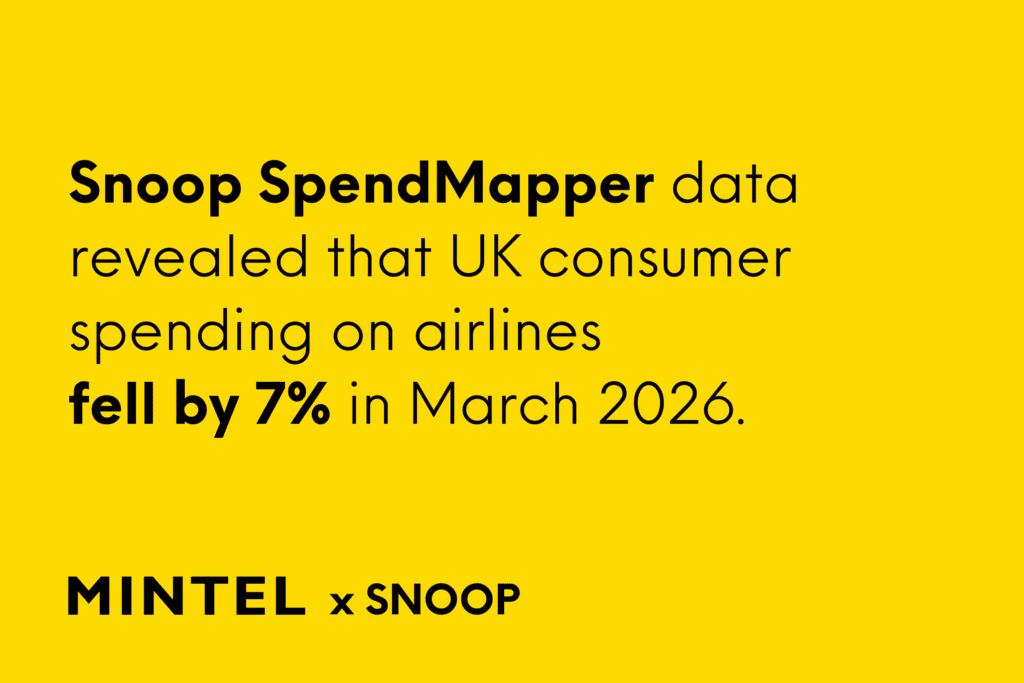
This behavioural trend is also reflected in the UK. The Gulf states had begun to build a reputation for being relatively safe, something which has now been significantly damaged. Since the beginning of the conflict, heightened concerns have led to fewer bookings and more cancellations across UK travel companies, particularly to the Middle East. Snoop SpendMapper data revealed that UK consumer spending on airlines fell by 7% in the first two weeks of March 2026 compared to the previous year. The impact was more pronounced among Gulf carriers, such as Emirates, Etihad Airways and Qatar Airways, which saw a sharp shift from net positive spend in 2025 to net negative spend 2026, reflecting refunds, increased cancellations and reduced booking activity.
These anxieties extend beyond the Middle East, there are already signs of the conflict affecting bookings for neighbouring countries such as Turkey, Greece, Cyprus, and Egypt.
Political context also matters. Over half of Brits (Mintel client-access only) and nearly two-thirds of Germans say Donald Trump’s election has made visiting the US less appealing, prompting travellers to consider alternatives like Canada, Mexico, and the Caribbean. Ultimately, the Middle East conflict’s impact on travel sentiment is global, shaping demand and decisions well beyond the region itself.
Financial uncertainty makes consumers even more value-oriented
The conflict is unfolding in a market where affordability is already under pressure.
Extended routes, reduced capacity, and higher operating expenses are driving up travel prices. Inflation and increased cost of living intensify these challenges, causing consumers to be more selective and value-driven.
In the US, limited fuel hedging means airfares respond quickly to oil price increases, accelerating cost pressures on international travel. This is likely to deepen an existing preference for domestic trips. As of December 2025, before the conflict, 52% of Americans were already planning a domestic holiday, compared with just 29% intending to travel internationally. As long‑haul prices rise, road trips are set to look increasingly attractive to value‑driven consumers, with over six in ten road trippers preferring them to other types of holidays.
Across Europe, holidaymakers are familiar with rising travel costs. Mintel reports the average UK holiday cost rose from £535 in 2020 to £791 in 2025. However, this doesn’t mean travel is deprioritised. In fact, holidays topped the list for increased spending intentions among UK consumers in January 2026 (Mintel client-access only), driven by a shift towards fewer, higher-value trips. This quality-over-quantity mindset is expected to intensify as prices rise.
A similar sentiment is evident in the US, where a third of consumers are prepared to pay the same or more for their main holiday, prioritising quality over quantity and choosing premium stays closer to home.
Amid geopolitical tension and financial uncertainty, consumers are redefining value by prioritising quality and peace of mind over simply seeking the lowest price.
The Growing Importance of Reassurance, Flexibility, and New Horizons Amid Conflict
Consumers increasingly look to brands for reassurance and guidance
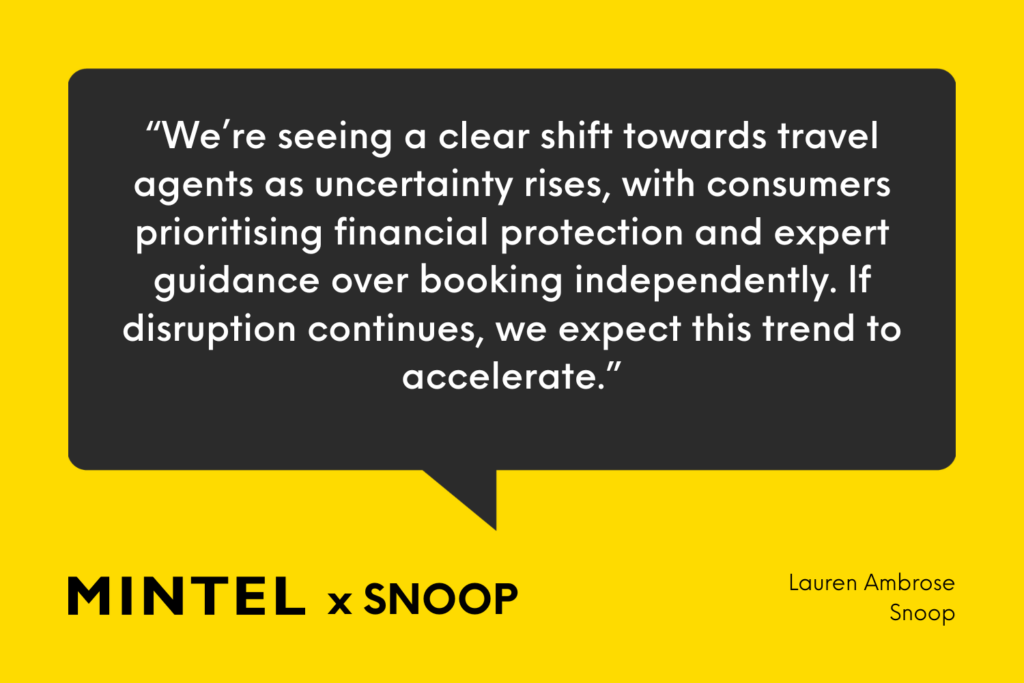
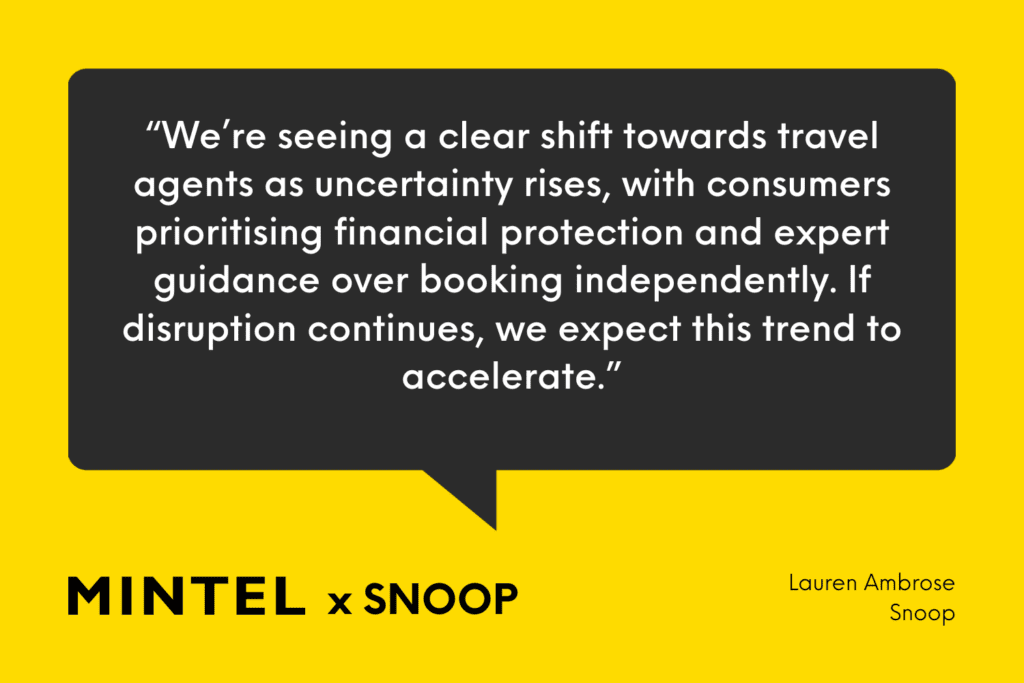
Periods of uncertainty have historically prompted travellers to seek guidance and protection, and this behaviour is once again becoming evident. As geopolitical risk rises, consumers are showing early signs of a preference for travel agents and package holidays that can absorb complexity and minimise financial risk on their behalf.
Even before the current conflict, more than half of US consumers felt that government interventions made travel more complicated. Trip planning can quickly become overwhelming, and many travellers now seek help to simplify the research and booking process to reduce friction and stress.
Snoop SpendMapper data already shows that UK travel agents recorded a 5% uplift in sales in the first two weeks of March 2026 compared with the same period last year. Notable beneficiaries include TUI (+11%), Thomas Cook (+38%) and Travel Counsellors (+57%), reflecting renewed demand for financial protection and expert reassurance.
Booking later becomes the new norm as travellers weigh up finances and safety
Heightened caution and dented consumer confidence is also extending booking windows. Without clarity on geopolitical developments or future costs, many international travellers are delaying commitment until the last possible moment. Only 17% of UK travellers had booked their main 2026 holiday by December 2025 (Mintel client-access only), reinforcing a strong wait and see mentality.
Wellness travel will move centre stage
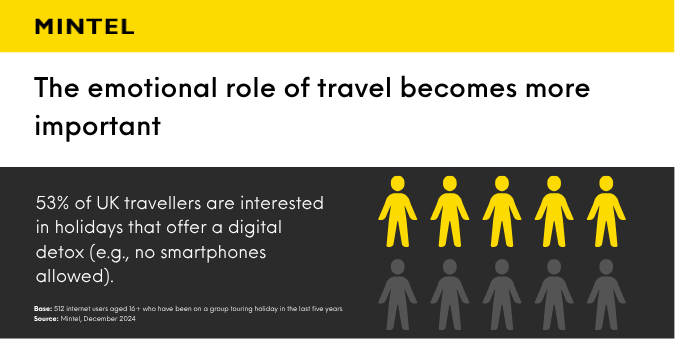
As global news cycles grow more intense, the emotional role of travel becomes more important. Holidays are increasingly framed as a form of mental, emotional, and physical recovery. Even before the conflict, one third of US travellers said they were placing more emphasis on using travel as an escape than in the past and over half of UK travellers are interested in holidays featuring a digital detox. That desire is now accelerating. Consumers are gravitating towards slower travel, nature-based stays and wellness-led breaks that offer distance from constant connectivity and stress.
Snoop SpendMapper data shows how this shift is already visible in spending. Sales at spabreaks.com rose by 5% year on year in the first two weeks of March 2026, signalling a growing appetite that brands will need to meet for restorative trips over high-energy, itinerary-heavy travel.
Major retailers and brands already rely on Snoop’s insights to track shifting behaviours through real-time consumer spending data. To learn more, click the button below to get in touch.
Get in touch today
Travel Strategies to Adapt During Global Instability
1. Redirecting travellers to safe and under-the-radar destinations
Travel agents and operators should prioritise routes that offer familiarity and operational reliability. At the same time, there is also a strategic opportunity to redirect demand towards lesser-known destinations that feel safe but are less exposed to overtourism.
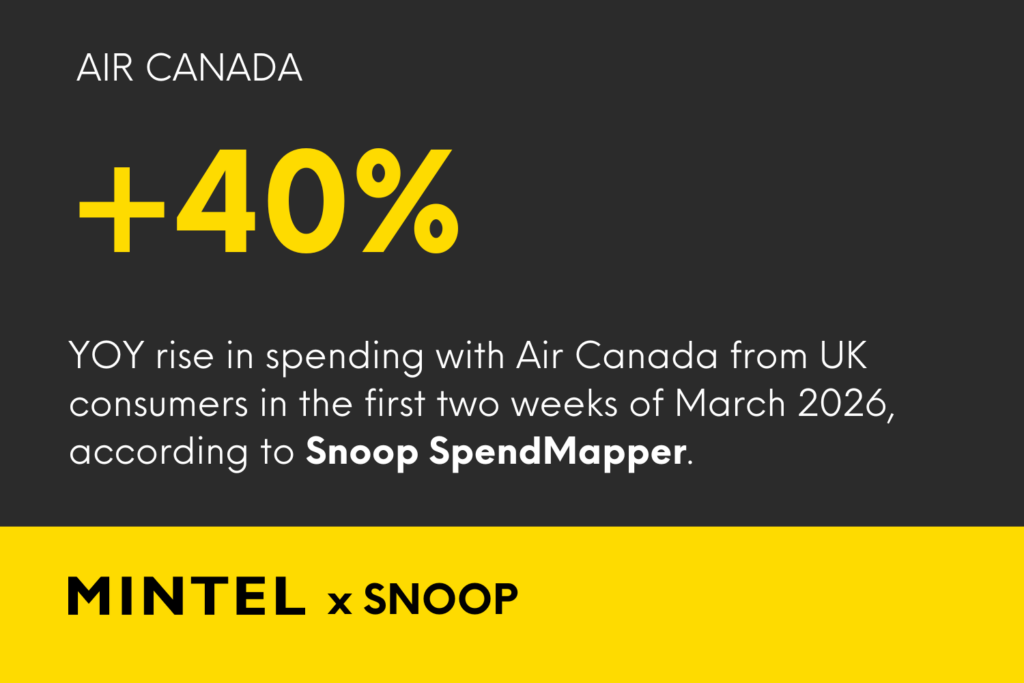
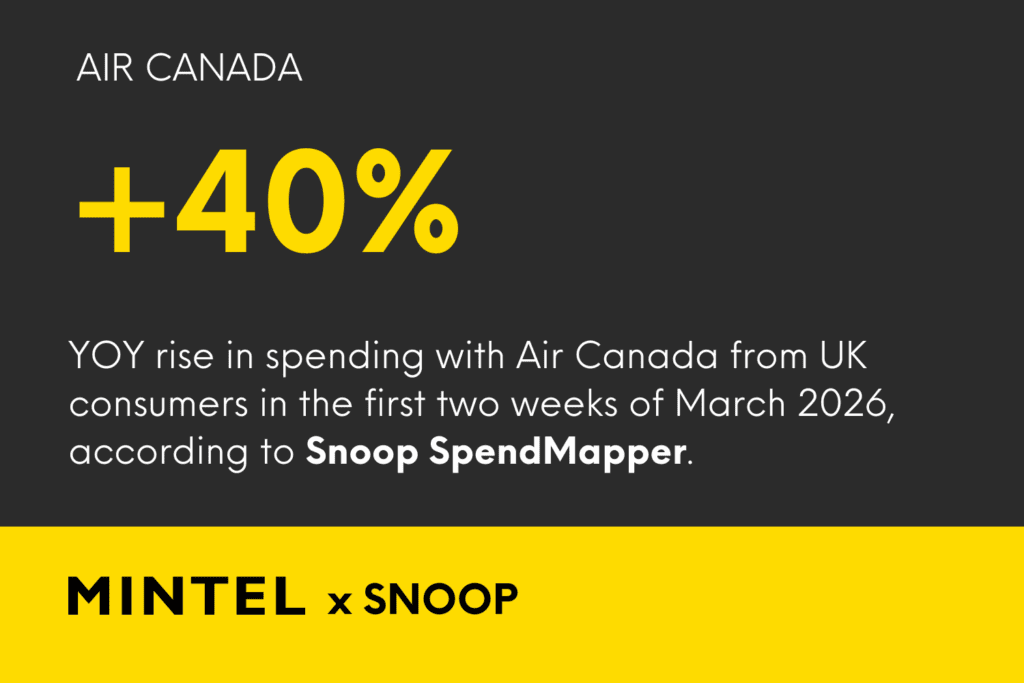
Looking at historical trends following previous Middle East conflicts, demand has often shifted rapidly towards regions such as Southern Europe, Canada, and the Caribbean. Recent Snoop SpendMapper data supports this pattern, showing a notable increase in spend with airlines like Air Canada and Air France since March 2026. In particular, UK consumers have driven a +40% year-on-year rise in spending with Air Canada, reflecting a preference for choosing routes that seem stable and avoid affected airspace.
There are opportunities for travel brands to reframe alternative destinations with messaging like “if you like X, consider Y”. This approach encourages travellers to broaden their horizons and discover new destinations, all while maintaining a sense of safety and familiarity.
By guiding customers towards high-confidence routes and emerging locations, brands can help combat overtourism and minimise the perceived risks associated with locations affected by political or geographical conflicts.
2. Travel brands to champion flexibility to reassure travellers
The growing trend of consumers booking later presents both risk and opportunity. Delayed bookings complicate forecasting, but highlight the need for visible, flexible booking policies that use confidence-building messaging to reduce perceived risk and encourage early commitment.
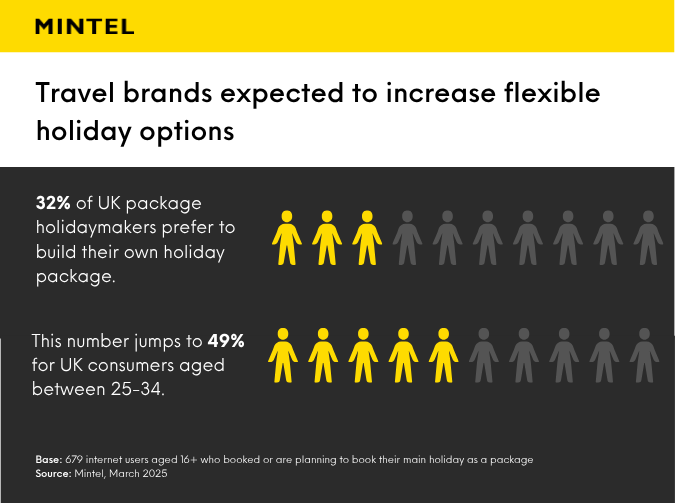
Flexible, build-your-own packages appeal to over a third of UK package holidaymakers, rising to almost half of 25–34-year-olds. This preference coincides with the renewed demand for financial protection and reassurance provided by package holidays.
Travel insurance built into travel deals is also likely to see an uplift. Squaremouth, an online insurance marketplace, reported an eighteenfold increase in enquiries for “cancel for any reason” policies during the first week of the conflict, reflecting heightened consumer demand for robust contingency options.
To meet the needs of travellers who are approaching decisions with greater caution and expect contingency plans, brands should prioritise flexibility. By reassuring customers that they can easily adapt to changing circumstances, travel companies can ultimately strengthen loyalty and remain competitive, even during periods of uncertainty.
3. Offer multiple entry points to wellness holidays, designed for every traveller
As long-haul travel declines, brands should focus on promoting road trips, cruises and rail-based travel as inviting entry points into wellness holidays. These options make wellness travel accessible to all by focusing on restoration, comfort, and reliability, rather than solely on traditional spa retreats or exercise-led escapes.
Amtrak and Eurostar are attracting record numbers of passengers, with Snoop SpendMapper data revealing a 16% rise in Eurostar customer numbers in the 12 months to 22 March 2026. Both operators are enhancing their premium offerings, such as fine dining and improved seating to meet the growing appeal of slower, more mindful travel.
Rail operators and travel brands can reposition wellness holidays by tapping into consumers’ desire for meaningful, personalised journeys. The Mintel Trend Slow it All Down (Mintel client-access only) shows travellers increasingly value connecting with their surroundings, slowing the pace, and savouring the moment. By framing wellness holidays as accessible and offering both light and immersive options, travel brands can appeal to a broader spectrum of travellers seeking anything from a restorative break to a transformative journey.
Turn Shifts in Travel Demand into Opportunities with Mintel & Snoop
While the latest conflict has significant human consequences, it is also driving meaningful shifts in travel behaviour, influencing demand well beyond the immediate region.
The global outlook for travel will be defined by adaptation rather than a simple return to pre-crisis norms. Demand will inevitably rebound, but its trajectory will be shaped by evolving perceptions of safety, greater financial caution and a stronger emphasis on trust and reassurance.
Travel brands that succeed will be those that recognise this moment not as a pause, but as a pivot. By prioritising flexibility, offering clear reassurance, and delivering meaningful value, providers can support consumers through uncertainty and emerge stronger as confidence returns.
Want to better understand how consumer habits are evolving in response to global instability?
Snoop’s award-winning fintech platform leverages Open Banking data and AI to deliver actionable insights on real-time consumer spending trends. For more information about how Mintel and Snoop’s partnership can help your business stay ahead of evolving consumer trends, click on the link and complete the form below, and a team member will be in touch.
Get in touch today