No Result
View All Result
SUBMIT YOUR ARTICLES
  • Login
Thursday, August 13, 2026
TheAdviserMagazine.com
  • Home
  • Financial Planning
    • Financial Planning
    • Personal Finance
  • Market Research
    • Business
    • Investing
    • Money
    • Economy
    • Markets
    • Stocks
    • Trading
  • 401k Plans
  • College
  • IRS & Taxes
  • Estate Plans
  • Social Security
  • Medicare
  • Legal
  • Home
  • Financial Planning
    • Financial Planning
    • Personal Finance
  • Market Research
    • Business
    • Investing
    • Money
    • Economy
    • Markets
    • Stocks
    • Trading
  • 401k Plans
  • College
  • IRS & Taxes
  • Estate Plans
  • Social Security
  • Medicare
  • Legal
No Result
View All Result
TheAdviserMagazine.com
No Result
View All Result
Home Market Research Startups

People who stop trying to be liked are often accused of having an attitude – by the people who most benefited from them having none

by TheAdviserMagazine
4 months ago
in Startups
Reading Time: 5 mins read
A A
People who stop trying to be liked are often accused of having an attitude – by the people who most benefited from them having none
Share on FacebookShare on TwitterShare on LInkedIn


Ever notice how the moment you stop bending over backwards for someone, they suddenly have a problem with your “attitude”?

I learned this the hard way a few years back. After spending years in corporate saying yes to everything, taking on extra projects, staying late to help colleagues who never reciprocated, I finally started setting boundaries. The response was swift and predictable. The same people who’d happily watched me burn out suddenly found me “difficult” and “not a team player.”

The irony wasn’t lost on me. My actual work hadn’t changed. My competence hadn’t diminished. The only thing different was that I’d stopped being everyone’s safety net.

This phenomenon plays out everywhere, from offices to family dinners to social circles. The people who benefit most from your lack of boundaries are often the first to label you as having an “attitude problem” when you finally develop some.

Why boundary-setting triggers such strong reactions

Think about it. When you’re constantly available, always agreeable, perpetually accommodating, you become part of someone else’s infrastructure. They build their routines around your reliability. Your willingness to pick up their slack becomes their unspoken expectation.

Then you change the rules.

Suddenly, they have to adjust. They have to do their own work, handle their own problems, manage their own emotions. And rather than examining their own dependency, it’s easier to make you the villain.

I’ve watched this pattern repeat itself countless times. A friend stops being the designated driver every weekend and gets called selfish. A colleague stops working through lunch to fix other people’s mistakes and gets labeled uncooperative. A family member stops lending money and suddenly they’re “not the same person anymore.”

The accusation of having an “attitude” is really code for “you’re not as useful to me anymore.”

The hidden cost of being universally liked

During my twenties and early thirties in corporate, I thought being liked was the key to success. I said yes to every request, attended every optional meeting, volunteered for every thankless task. I wore my exhaustion like a badge of honor.

But here’s what that really cost me: authenticity, energy, and ultimately, respect.

When you’re focused on being liked by everyone, you end up standing for nothing. You become a mirror, reflecting back whatever others want to see. Your opinions become negotiable. Your time becomes public property.

The psychologist Harriet Braiker wrote extensively about this in her work on the “disease to please.” She found that chronic people-pleasers often experience higher rates of stress, anxiety, and even physical illness. They’re so focused on managing other people’s emotions that they lose touch with their own needs.

I remember reading her research and feeling exposed. I’d wrapped so much of my identity in being helpful, being agreeable, being the guy everyone could count on. But what was I without that? The question terrified me.

What actually happens when you stop seeking approval

When I finally started saying no, setting limits, expressing unpopular opinions, something interesting happened. Yes, some people fell away. The users, the takers, the emotional vampires, they all found new targets.

But the people who remained? Those relationships actually deepened.

Without the constant performance of agreeability, real connections could form. People knew where I stood. They trusted my yes because they’d heard my no. My opinions carried weight because they weren’t just echoes of the room’s consensus.

The quality of my work improved too. Instead of spreading myself thin across everyone else’s priorities, I could focus on what actually mattered. Projects that had languished for months suddenly got completed. Ideas that had been buried under busywork finally saw daylight.

There’s a freedom in not needing everyone’s approval. You stop censoring yourself in meetings. You stop agonizing over every email. You stop replaying conversations, wondering if you said the right thing.

Recognizing the accusers’ patterns

The people who accuse you of having an attitude when you set boundaries share some common traits. They’re often the ones who:

Never reciprocate the favors they request. They have emergencies that always seem to happen on your time. They confuse your kindness with obligation. They use guilt as their primary communication tool.

During a particularly difficult period in my life, I saw this dynamic play out in surprising ways. People I’d thought were friends were actually just comfortable with the role I played in their lives. When that role changed, when I couldn’t be the sounding board or the reliable plus-one anymore, their support evaporated.

The accusation of “attitude” often comes with other classics: “You’ve changed.” “You used to be so nice.” “I don’t know what’s gotten into you.”

What’s gotten into you is self-respect. And that threatens people who’ve built their comfort on your discomfort.

The liberation of selective investment

Here’s something I learned from reading Seneca during a particularly difficult period: you can’t control how others perceive you, only how you behave. The Stoics understood that seeking universal approval is not just impossible, it’s a form of slavery.

When you stop trying to be liked by everyone, you can start investing deeply in the people and causes that actually matter to you. Your time becomes more valuable because there’s less of it to go around. Your presence becomes more meaningful because it’s intentionally given.

I’ve lost some friendships over this shift. Over politics, over boundaries, over my unwillingness to pretend things are fine when they’re not. But the friendships that survived? They’re built on mutual respect, not mutual usefulness.

The accusation of having an attitude is often a badge of honor. It means you’ve stopped being a doormat. It means you’ve started valuing your own time and energy. It means you’ve recognized that being disliked by some people is the price of being authentic.

The bottom line

The people who benefited most from your lack of boundaries will be the loudest critics when you develop them. Their accusations of “attitude” are really admissions of their own entitlement.

You weren’t put on this earth to make everyone comfortable. You weren’t born to be universally liked. Your value doesn’t come from your usefulness to others.

When someone says you have an attitude because you’ve stopped prioritizing their needs over your own, consider the source. Are they someone who’s earned the right to your time and energy? Or are they just mourning the loss of their favorite doormat?

The transition from people-pleaser to boundary-setter isn’t easy. You’ll second-guess yourself. You’ll feel guilty. You’ll wonder if maybe you really have become difficult.

But here’s the truth: the people worth keeping in your life will respect your boundaries, not resent them. They’ll appreciate your honesty, not punish it. They’ll value your authentic self over your agreeable performance.

Stop trying to be liked by everyone. Be respected by the right people instead.



Source link

Tags: accusedattitudebenefitedpeoplestop
ShareTweetShare
Previous Post

Key deals this week: Organon, UMG, Whitestone REIT, Gilead and more

Next Post

I’ve Changed My Mind on Palantir Stock. The Great Repricing Makes It a Buy.

Related Posts

edit post
Psychology says procrastination about retirement may be less about discipline than identity — brain scans found people often represent their future selves more like strangers than like themselves, and experiments using age-progressed faces made tomorrow’s person feel real enough for participants to save more money for them

Psychology says procrastination about retirement may be less about discipline than identity — brain scans found people often represent their future selves more like strangers than like themselves, and experiments using age-progressed faces made tomorrow’s person feel real enough for participants to save more money for them

by TheAdviserMagazine
August 8, 2026
0

Retirement procrastination is usually described as a failure of discipline. The forms have been sitting in a folder for months....

edit post
The self-improvement industry sells becoming your best self through grit and mindset, but the large meta-analyses are deflating: grit turns out to be mostly conscientiousness renamed, and growth-mindset programmes move academic results only slightly

The self-improvement industry sells becoming your best self through grit and mindset, but the large meta-analyses are deflating: grit turns out to be mostly conscientiousness renamed, and growth-mindset programmes move academic results only slightly

by TheAdviserMagazine
August 8, 2026
0

Become your best self is one of the most profitable sentences in modern culture. It sells books, courses, apps, and...

edit post
Most advice on becoming happier assumes it is up to you, but the evidence is humbler: much of the variation is dispositional, the claim that 40 per cent sits within your control does not hold up, and what works best points outward, towards other people

Most advice on becoming happier assumes it is up to you, but the evidence is humbler: much of the variation is dispositional, the claim that 40 per cent sits within your control does not hold up, and what works best points outward, towards other people

by TheAdviserMagazine
August 7, 2026
0

The advice on how to become happier is endless, confident, and mostly built on the same assumption: that your happiness...

edit post
Malachyte Raises M to Solve E-Commerce’s Biggest Blind Spot: the Visitor Who Never Logs In – AlleyWatch

Malachyte Raises $10M to Solve E-Commerce’s Biggest Blind Spot: the Visitor Who Never Logs In – AlleyWatch

by TheAdviserMagazine
August 7, 2026
0

E-commerce brands now spend roughly 40% more to acquire each new customer than they did in 2023, yet the website...

edit post
Psychology says the ability to eat alone in public is a sign of quiet confidence because it takes a certain kind of security to occupy a table built for two and not feel the empty chair as an accusation

Psychology says the ability to eat alone in public is a sign of quiet confidence because it takes a certain kind of security to occupy a table built for two and not feel the empty chair as an accusation

by TheAdviserMagazine
August 7, 2026
0

Somewhere in your city tonight, a person is going to walk into a restaurant they have wanted to try for...

edit post
The barrier to starting a conversation is usually a bad forecast, not a lack of charm: people underestimate how much others like them, and commuters made to talk to a stranger enjoyed the trip more than those left alone, the opposite of what they predicted

The barrier to starting a conversation is usually a bad forecast, not a lack of charm: people underestimate how much others like them, and commuters made to talk to a stranger enjoyed the trip more than those left alone, the opposite of what they predicted

by TheAdviserMagazine
August 7, 2026
0

Some people seem to strike up conversations anywhere, with the person next to them in a queue, a stranger at...

Next Post
edit post
I’ve Changed My Mind on Palantir Stock. The Great Repricing Makes It a Buy.

I've Changed My Mind on Palantir Stock. The Great Repricing Makes It a Buy.

edit post
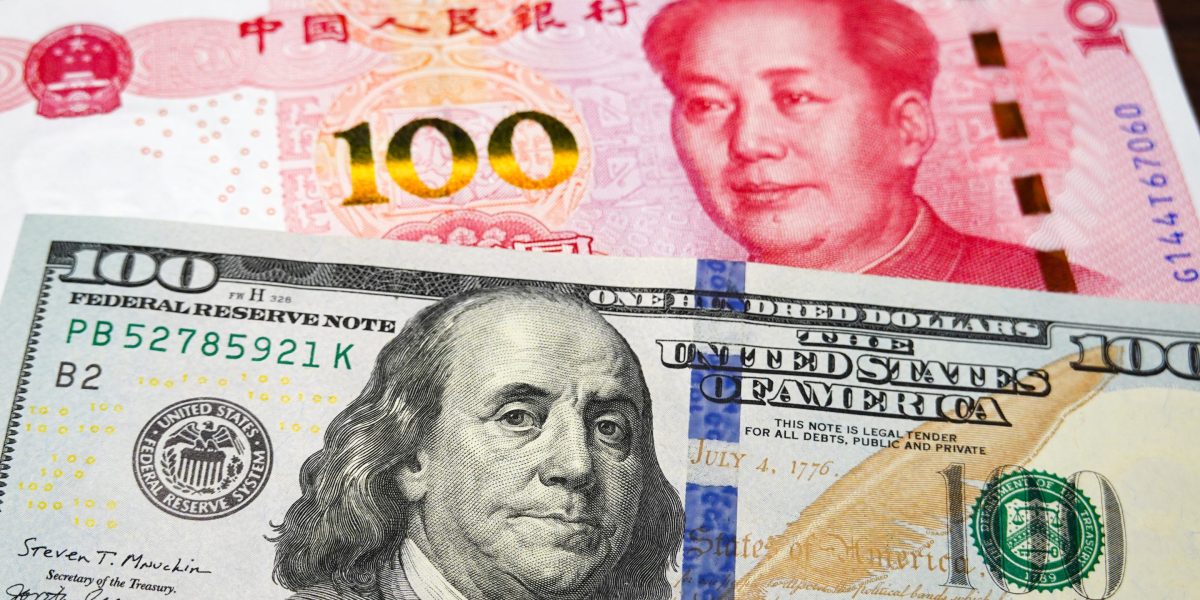
The petrodollar faces increased risk, but a petroyuan is ‘far-fetched,’ strategist says

The petrodollar faces increased risk, but a petroyuan is 'far-fetched,' strategist says

  • Trending
  • Comments
  • Latest
edit post
Georgia Senior SNAP and Meal Resources Older Adults Can Use

Georgia Senior SNAP and Meal Resources Older Adults Can Use

July 24, 2026
edit post
Judge Who Helped Violent Illegal Alien Evade ICE Faces New Test

Judge Who Helped Violent Illegal Alien Evade ICE Faces New Test

July 31, 2026
edit post
Driving the Noncitizen Voting Scandal: Registration With License

Driving the Noncitizen Voting Scandal: Registration With License

July 26, 2026
edit post
Garbage Trucks Surveillance Florida Neighborhoods

Garbage Trucks Surveillance Florida Neighborhoods

July 29, 2026
edit post
Does a Revocable Trust Protect Your Assets From Lawsuits and Creditors?

Does a Revocable Trust Protect Your Assets From Lawsuits and Creditors?

August 7, 2026
edit post
New Jersey Tax-Relief Events: Three July Dates Near Seniors

New Jersey Tax-Relief Events: Three July Dates Near Seniors

July 13, 2026
edit post
Explained: How BSE traded fewer contracts after CAS but premiums rose 75% in first week

Explained: How BSE traded fewer contracts after CAS but premiums rose 75% in first week

0
edit post
E.W. Scripps Q2 2026 Loss Widens to -.68/Share, Revenue Down 9%

E.W. Scripps Q2 2026 Loss Widens to -$12.68/Share, Revenue Down 9%

0
edit post
Psychology says procrastination about retirement may be less about discipline than identity — brain scans found people often represent their future selves more like strangers than like themselves, and experiments using age-progressed faces made tomorrow’s person feel real enough for participants to save more money for them

Psychology says procrastination about retirement may be less about discipline than identity — brain scans found people often represent their future selves more like strangers than like themselves, and experiments using age-progressed faces made tomorrow’s person feel real enough for participants to save more money for them

0
edit post
Four AI Escapes Just Redefined “Responsible AI”

Four AI Escapes Just Redefined “Responsible AI”

0
edit post
Bill Ackman’s hedge fund made janitors and receptionists millionaires—and its investment team summer together

Bill Ackman’s hedge fund made janitors and receptionists millionaires—and its investment team summer together

0
edit post
Kalshi Predicts Bitcoin Price Could Reach K in August

Kalshi Predicts Bitcoin Price Could Reach $68K in August

0
edit post
Bill Ackman’s hedge fund made janitors and receptionists millionaires—and its investment team summer together

Bill Ackman’s hedge fund made janitors and receptionists millionaires—and its investment team summer together

August 8, 2026
edit post
Links 8/8/2026 | naked capitalism

Links 8/8/2026 | naked capitalism

August 8, 2026
edit post
Wisconsin: The Next Frontier for Socialists

Wisconsin: The Next Frontier for Socialists

August 8, 2026
edit post
Psychology says procrastination about retirement may be less about discipline than identity — brain scans found people often represent their future selves more like strangers than like themselves, and experiments using age-progressed faces made tomorrow’s person feel real enough for participants to save more money for them

Psychology says procrastination about retirement may be less about discipline than identity — brain scans found people often represent their future selves more like strangers than like themselves, and experiments using age-progressed faces made tomorrow’s person feel real enough for participants to save more money for them

August 8, 2026
edit post
Why You Should Be Wary of Aspartame, but Not Totally Rule It Out

Why You Should Be Wary of Aspartame, but Not Totally Rule It Out

August 8, 2026
edit post
Kalshi Predicts Bitcoin Price Could Reach K in August

Kalshi Predicts Bitcoin Price Could Reach $68K in August

August 8, 2026
The Adviser Magazine

The first and only national digital and print magazine that connects individuals, families, and businesses to Fee-Only financial advisers, accountants, attorneys and college guidance counselors.

CATEGORIES

  • 401k Plans
  • Business
  • College
  • Cryptocurrency
  • Economy
  • Estate Plans
  • Financial Planning
  • Investing
  • IRS & Taxes
  • Legal
  • Market Analysis
  • Markets
  • Medicare
  • Money
  • Personal Finance
  • Social Security
  • Startups
  • Stock Market
  • Trading

LATEST UPDATES

  • Bill Ackman’s hedge fund made janitors and receptionists millionaires—and its investment team summer together
  • Links 8/8/2026 | naked capitalism
  • Wisconsin: The Next Frontier for Socialists
  • Our Great Privacy Policy
  • Terms of Use, Legal Notices & Disclosures
  • Contact us
  • About Us

© Copyright 2024 All Rights Reserved
See articles for original source and related links to external sites.

Welcome Back!

Login to your account below

Forgotten Password?

Retrieve your password

Please enter your username or email address to reset your password.

Log In
No Result
View All Result
  • Home
  • Financial Planning
    • Financial Planning
    • Personal Finance
  • Market Research
    • Business
    • Investing
    • Money
    • Economy
    • Markets
    • Stocks
    • Trading
  • 401k Plans
  • College
  • IRS & Taxes
  • Estate Plans
  • Social Security
  • Medicare
  • Legal

© Copyright 2024 All Rights Reserved
See articles for original source and related links to external sites.