Two Supermicro board members are spearheading an internal investigation following a federal indictment alleging one of the company’s cofounders orchestrated the routing of $2.5 billion in servers packed with Nvidia’s highly prized GPUs to China, in violation of export controls.
The independent investigation comes two years after an independent director on the board previously investigated Supermicro and found “no evidence of fraud or misconduct on the part of management or the board of directors.” Supermicro is facing scrutiny among investors who are concerned that its compliance issues and reputational risk could strain its relationship with $4 trillion chipmaker Nvidia, which supplies Supermicro with chips for customers’ purchase orders.
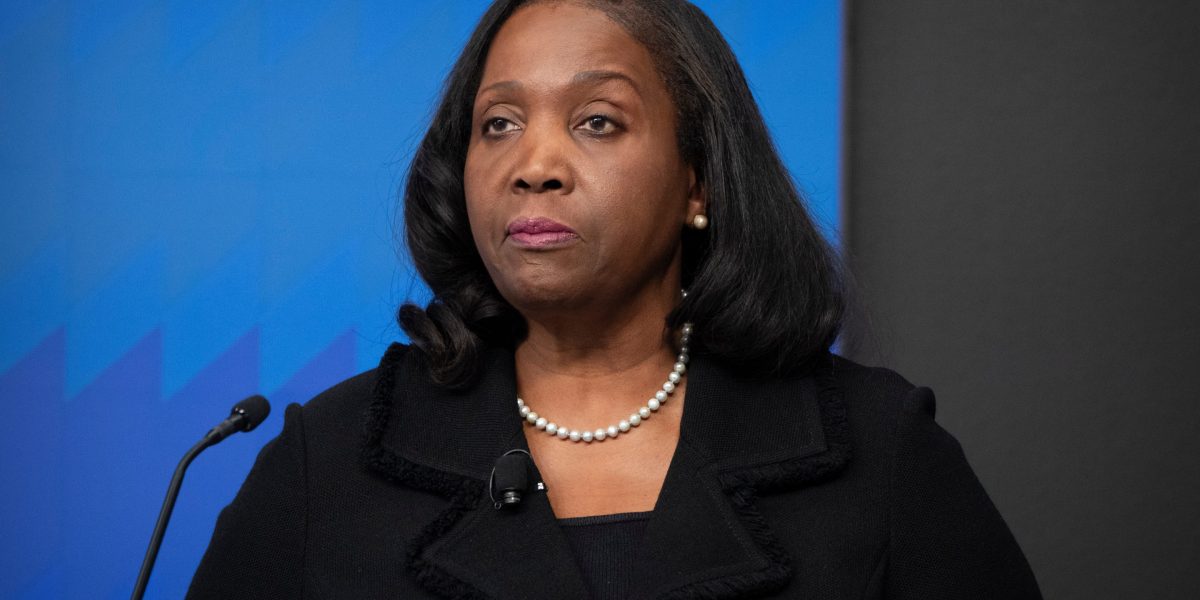
The board’s newest director, Scott Angel, who was appointed to be the independent leader on the board, is running point on the latest investigation, along with audit committee chair Tally Liu, the company announced on Tuesday. Details on the investigation are sparse, but the board has hired law firm Munger, Tolles & Olson to advise the independent directors. Munger, Tolles brought in consulting firm AlixPartners for forensic accounting and audit expertise. The two firms will work with Supermicro’s auditor, BDO USA, and will “report their findings directly” to Angel and Liu, the company said.
The Department of Justice charged Supermicro cofounder Yih-Shyan “Wally” Liaw and two others last month for allegedly conspiring in 2024 and 2025 to route Supermicro servers to an unnamed Southeast Asian company as a front for the true buyers, who were in China. Liaw, Ruei-Tsang “Steven” Chang, and Ting-Wei “Willy” Sun allegedly arranged for thousands of fake replica servers to be stored in a warehouse to trick government auditors tasked with verifying the technology wasn’t being sent into the wrong hands. The group allegedly organized a team on site in Southeast Asia to set up the thousands of fake servers, and even arranged for the team’s meals and van transportation. The trio went to great lengths to perpetrate the subterfuge, the indictment claims, including using hair dryers to remove packaging labels that were then reaffixed to thousands of fake replica servers.
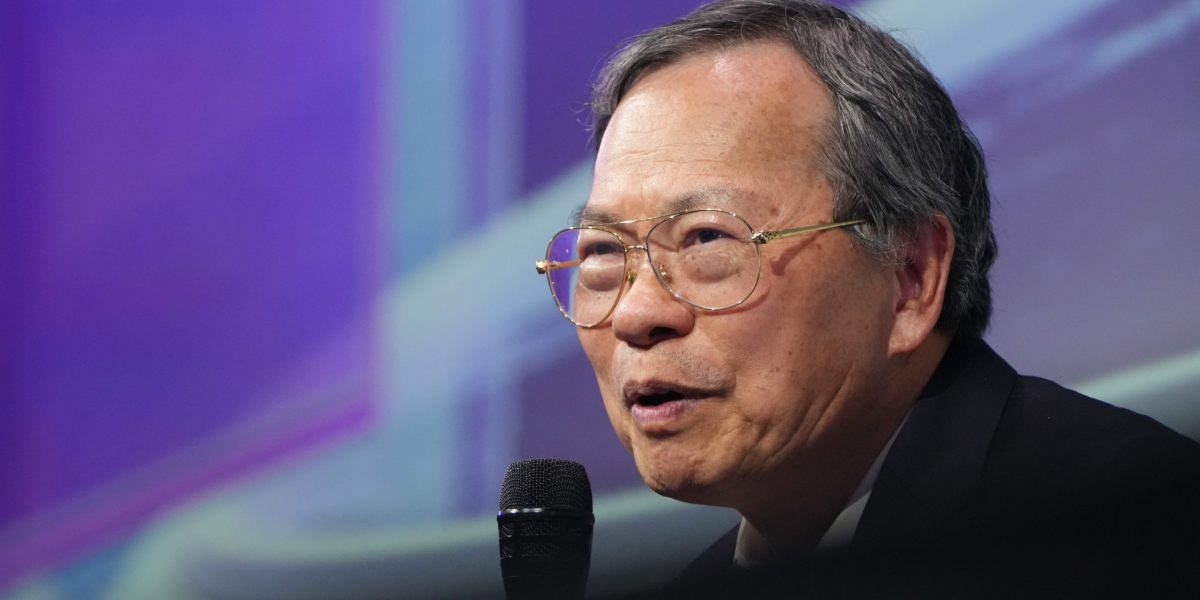
During the time period alleged in the indictment, Liaw was a board member and senior executive. He co-founded the company in 1993 with CEO and chairman Charles Liang, and Liang’s wife and co-founder, Sara Liu. (Supermicro confirmed Sara Liu is not related to Tally Liu.) Supermicro was not named in the indictment and says it is cooperating with the government.
Liaw retired in February 2018 following a third board-led investigation connected to a Nasdaq delisting and an SEC investigation into its accounting that ultimately saw Supermicro settle with regulators and pay $17.5 million. Liaw then served as president at French server company 2CRSi from June 2020 to April 2021, before he returned to Supermicro as a consultant in May 2021. He became a full-time executive in August 2022 and was reappointed to the board in December 2023. He resigned from the board on March 20, the day after he was arrested.
Liaw and Sun pleaded not guilty and Chang remains at large, according to authorities. Supermicro CEO Liang has told investors the company was a victim of the scheme itself.
“Our internal review and the independent directors’ investigation are being conducted in line with our commitment to ensuring our technology is handled with the highest level of ethical and legal scrutiny,” Liang said in a statement on Tuesday.
2024 internal investigation found no evidence of circumventing export controls
Supermicro last conducted a board-led independent investigation in 2024 following the stunning resignation of its previous auditor, Ernst & Young, in the middle of an audit. EY stated in its resignation letter that it could no longer rely on Supermicro management.
Supermicro then faced being delisted from Nasdaq due to not filing its audited financials on time, and the board appointed its—at the time—newest director Susie Giordano to serve as a special committee of one to investigate. Giordano in 2024 worked with law firm Cooley and forensic accounting firm Secretariat Advisors. Giordano reviewed the rehiring of employees “who resigned in 2018” following the 2017 investigation, export control matters related to prevention of sales or diversion to restricted countries, and current sales and revenue recognition practices around quarter-ends.
The committee reviewed 11 export transactions and “did not see any evidence suggesting that anyone at the company tried to circumvent export control regulations or restrictions, or that anyone at the company was aware that any of its products might be diverted to a prohibited end user or location.” The committee did not identify products that were sold to Russian customers or shipped to Russia “in violation of export controls or sanctions laws that were in place when products were shipped.” Disclosures to investors about the 2024 investigation did not mention China.
Based on the results of that independent probe, the committee determined that Supermicro’s CFO, David Weigand, should be replaced with a “new CFO with extensive experience working as a senior finance professional at a large public company.” Weigand remains the CFO. The committee’s other recommendations included appointing a general counsel and expanding the legal department, appointing a chief compliance officer, and a chief accounting officer.
In tandem with the latest board investigation, Supermicro also announced it has initiated an internal review of its global trade compliance program, led by general counsel Yitai Hu. All findings will be reported directly to the independent board directors, the company said.
Angel joined the board in March 2025 after 37 years in audit and assurance at Deloitte, including more than two decades in Silicon Valley. Liu joined the board in 2019 after retiring as CEO of supply chain solution company Wintec Industries.