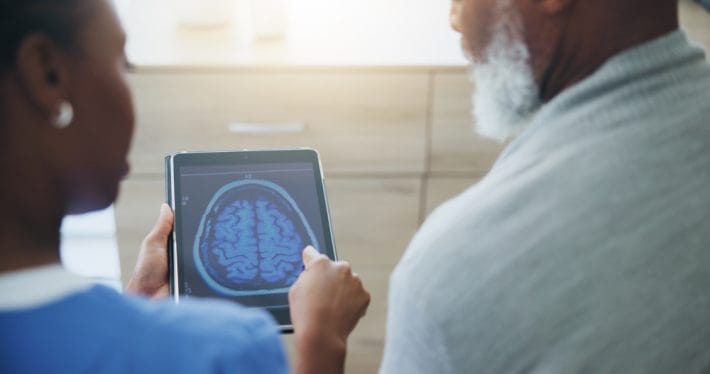
Americans are living longer, with record numbers of people reaching 100 years old and beyond. As a result, many people have started looking for ways to protect their brain health. Memory lapses, slower thinking, and concerns about cognitive decline have led many older adults to explore supplements that claim to support brain health. These products, which are typically called nootropics, are marketed as compounds that help improve memory, focus, and mental clarity. But before you stockpile them, here is what you need to know.
What Nootropics Actually Are
The term nootropics refers to supplements designed to support mental performance and cognitive function. These products often contain vitamins, amino acids, herbal extracts, or compounds believed to support brain activity. Common ingredients include caffeine, L-theanine, B-vitamins, adaptogenic herbs, and compounds related to brain metabolism.
Nootropics are typically marketed as tools for improving focus, memory, and mental stamina. However, their effectiveness varies widely depending on the ingredients and the quality of the research behind them.
The Aging Population Is Driving the Trend
One major reason seniors are turning to nootropics is the simple reality of an aging population. As more people reach their 60s, 70s, and beyond, concerns about cognitive decline naturally increase.
In fact, surveys show that about one in four adults over age 50 already takes a supplement specifically for brain health. Many of these consumers are motivated by the desire to stay mentally sharp and maintain independence longer.
The Brain-Health Supplement Market Is Exploding
The demand for nootropics has helped fuel massive growth in the brain-health supplement industry. Market analysts estimate that the global brain-health supplement market reached about $12.6 billion in 2025 and continues to grow rapidly.
Some projections suggest the market could reach nearly $36 billion within the next decade. Several factors are driving this surge, including growing awareness of mental wellness and increased access to supplements through online retailers.
Certain Nutrients Show Early Promise for Brain Support
Although the science around nootropics is still evolving, some nutrients have shown encouraging results in research studies. For example, omega-3 fatty acids, especially DHA-rich formulas, have been linked to improvements in memory and learning in some older adults. Other compounds, such as polyphenols found in berries and cocoa, have been studied for their potential effects on memory and processing speed.
Researchers are also exploring the connection between gut health and brain function, which may explain why probiotics and prebiotics are gaining attention. While these findings are promising, experts say more large-scale clinical trials are still needed.
Some Seniors Are “Stockpiling” Supplements
An interesting trend emerging in 2026 is the idea of creating a “brain-health stockpile.” Some retirees buy several months’ worth of nootropics at once to ensure consistent use. The thinking is similar to long-term investing: start early and stay consistent to potentially see benefits later.
Because many nootropic supplements are believed to work gradually rather than immediately, long-term use is common. This strategy has become particularly popular among seniors who already follow other preventive health habits like exercise and healthy eating.
Experts Urge Caution About the Hype
Despite the popularity of nootropics, many medical experts remain skeptical about the claims surrounding them. Some researchers say there is little strong evidence that over-the-counter brain supplements significantly improve thinking or prevent memory loss in healthy adults.
Supplement companies are allowed to market products that support “mental alertness,” but they cannot legally claim to treat diseases like Alzheimer’s. Doctors often warn that lifestyle factors such as exercise, sleep, and a balanced diet have a stronger scientific backing for protecting brain health. For this reason, experts recommend discussing supplements with a healthcare professional before starting them.
A Smarter Approach to Brain Health in Retirement
The rise of nootropics reflects a broader shift toward preventive health and longevity. Many seniors want to stay mentally active for decades, whether that means traveling, learning new skills, or simply keeping up with grandchildren. Supplements may play a role for some individuals, but they are only one piece of the cognitive-health puzzle.
Research consistently shows that physical activity, social engagement, and a nutrient-rich diet remain some of the most effective ways to support brain health as we age. For retirees interested in supplements, the smartest strategy is combining informed choices with proven healthy habits.
Have you ever tried nootropics or other brain-health supplements to improve focus or memory? Share your experience in the comments.
What to Read Next
Struggling to Stay Asleep? It Might Be COMISA—and It’s Harder on Your Heart Than You Think
The New “TrumpRx” Portal: How to Access GLP-1 Weight Loss Drugs for $50
AI Health Companions: The $20 Tools Helping Seniors Stay Independent Longer
7 Mental Health Supports for Seniors That Are Easier to Access Than You Think
New Study: Popular Weight-Loss Drugs Linked to 30% Spike in ‘Silent’ Health Risk