Consumers have gotten used to money moving at the speed of a text message. But in 2026, more people are discovering that “instant” transfers aren’t always instant. Banks and payment apps are tightening fraud controls, adding new layers of review, and slowing down certain transactions—not because of a new federal mandate, but because scam losses have exploded and financial institutions are trying to protect themselves and their customers. If a payment looks unusual, arrives at an odd time, or involves a new recipient, it may be delayed, flagged, or even cancelled.
Understanding the most common triggers can help you avoid a frustrating payment freeze.
Why Banks Are Adding More Friction
Banks have always used fraud‑detection systems, but the rise of real‑time payments has made scams easier and faster. Once money leaves your account through Zelle, RTP, or a debit‑card transfer, it’s often gone for good. That risk has pushed banks to tighten their internal controls, even without new federal rules requiring them to do so. Many institutions now rely on more aggressive algorithms, more manual reviews, and more “are you sure?” checkpoints before releasing funds.
If a transfer doesn’t match your normal behavior, the system may pause it until a human reviews the details.
New Recipient = Automatic Delay
One of the most common friction points is paying someone for the first time. Many banks and P2P apps now hold first‑time payments for review, especially if the amount is higher than your usual activity. A $300 payment to a new contractor or babysitter may sit in “Pending” status until the bank confirms nothing looks suspicious. You can’t override these holds, so planning ahead is essential.
Large Transfers May Require a Phone Call
Bigger transfers—whether through Zelle, a wire, or an internal bank‑to‑bank move—often trigger extra verification. Some banks require you to respond to a text alert, while others insist on a phone call with the fraud department before releasing the funds. A growing number of institutions are experimenting with voice‑authentication tools to confirm the caller is actually the account holder. If you miss the call or fail the verification, the transfer may be cancelled and your account temporarily restricted.
Keeping your phone nearby when moving large amounts of money is now part of the process.
Crypto‑Related Transfers Face Extra Scrutiny
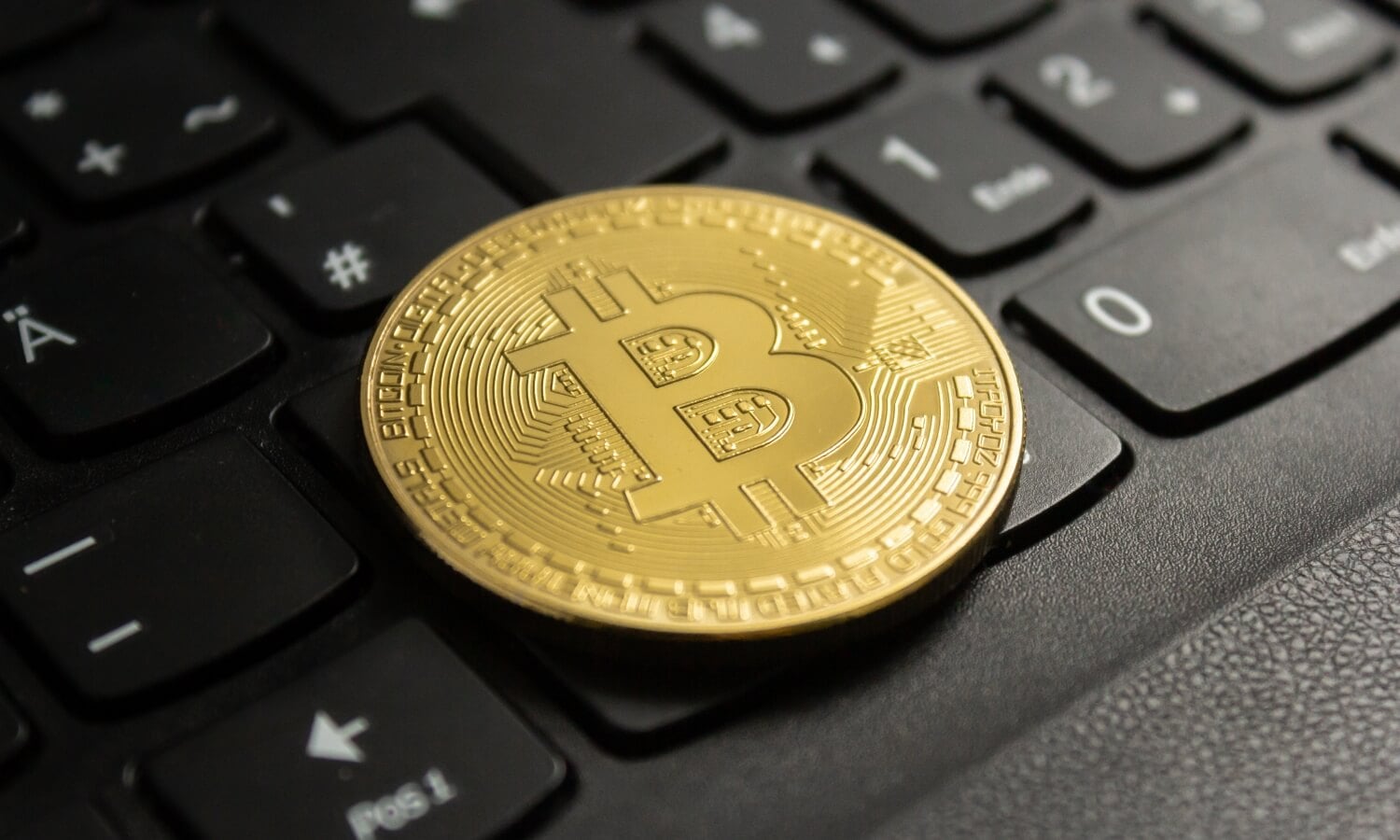
Banks have become far more cautious about transfers involving cryptocurrency platforms. Many institutions treat these transactions as high‑risk because of the volume of fraud tied to crypto investment scams. Instead of allowing instant debit‑card transfers, banks may force the transaction through a slower ACH process, adding several days of delay. Some banks block certain crypto‑related transfers entirely.
If you’re funding a crypto account, expect slower movement of money.
Multiple Small Payments Can Look Suspicious
Sending several smaller payments in a row—especially to the same person—can trigger a fraud review. While this isn’t “structuring” in the legal sense, banks’ fraud systems may interpret rapid, repeated transfers as an attempt to bypass limits or as a sign your account has been compromised. In many cases, all the payments will be paused until the bank confirms they’re legitimate.
It’s usually better to send one verified payment than several smaller ones.
Plan Ahead in the 2026 Banking Environment
If you have a bill due on Friday, don’t wait until Friday morning to send it. Even though real‑time payment networks are faster than ever, banks’ fraud controls can slow things down. Treat digital payments the way you once treated paper checks: give yourself a cushion.
Did your bank freeze a Zelle payment this year? Leave a comment below—tell us how long it took to clear!
You May Also Like…

Teri Monroe started her career in communications working for local government and nonprofits. Today, she is a freelance finance and lifestyle writer and small business owner. In her spare time, she loves golfing with her husband, taking her dog Milo on long walks, and playing pickleball with friends.