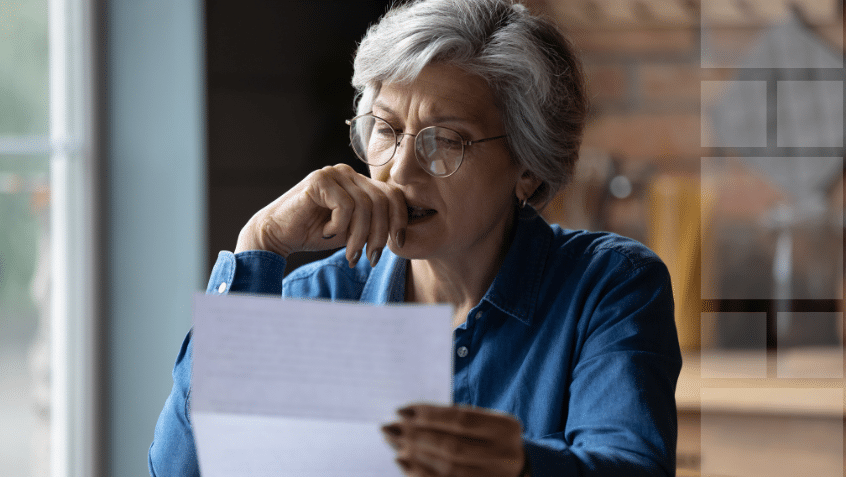
Receiving a “Notice of Overpayment” from Social Security is a heart-stopping moment. The letter often demands the immediate repayment of thousands of dollars—money you likely already spent on rent and food—due to a calculation error that may have happened years ago. In 2026, the SSA has reinstated tougher collection powers, including the ability to withhold 100% of your benefits in certain fraud cases, though the standard default remains a kinder 10%. The most critical mistake beneficiaries make is ignoring the letter or immediately writing a check they cannot afford. You have rights, including the right to appeal and the right to a waiver, but you must act within 60 days to preserve them. Here is the exact playbook for handling an overpayment demand this year.
Step 1: Don’t Panic, But Don’t Wait (60 Days)
The clock starts ticking the day you receive the notice. You have 60 days to file an appeal, but if you file within 30 days, the SSA cannot start deducting money from your check until the matter is resolved. This “stop work” protection is vital for maintaining your cash flow while you fight the claim. If you wait past 30 days, they may start garnishing your check (at the 10% rate) while the appeal is pending. Mark the date on the calendar and treat it as a hard deadline.
Step 2: Request Reconsideration (Form SSA-561)
If you believe the SSA is wrong—for example, they claim you earned too much in 2023, but you have tax returns proving otherwise—you should file a Request for Reconsideration (Form SSA-561). This forces a human to review the math. In 2026, clerical errors are common due to staffing shortages; do not assume their computer is correct. Submit copies of your pay stubs or bank statements that contradict their findings. This is a dispute of the facts, not a request for forgiveness.
Step 3: Request a Waiver (Form SSA-632)
Even if the SSA is right and you were overpaid, you can still ask to keep the money if the error wasn’t your fault. You must file Form SSA-632 (Request for Waiver), proving two things: 1) The overpayment was not your fault (e.g., you reported your income, but they failed to adjust your check), and 2) Repaying it would cause financial hardship or be “against equity and good conscience.” In 2026, the SSA automatically approves waivers for debts under $1,000 in many cases, but you still have to ask. For larger amounts, you must provide a detailed budget showing you cannot afford the repayment.
Step 4: Cap the Withholding at 10%
If you lose the appeal and cannot get a waiver, you still have control over how you repay. Under the new policies solidified in 2025/2026, the SSA generally defaults to withholding 10% of your monthly check (or $10, whichever is greater) to recover the debt. However, if even 10% is too much hardship, you can request a lower amount, such as $10 a month, by filling out a financial disclosure form. You do not have to accept a repayment plan that forces you to choose between medicine and food. Negotiate the term to 60 months or longer if necessary.
Step 5: Check the “Administrative Finality” Rule
In rare cases, the SSA is trying to collect a debt that is simply too old. The rule of “Administrative Finality” generally prevents the SSA from reopening a decision after 4 years (for Title II benefits) or 2 years (for SSI) unless there was fraud. If the overpayment stems from a mistake made 10 years ago that they just found, you may be able to argue that the window for collection has closed. This is a complex legal argument, but one worth exploring if the debt is ancient history.
Keep Everything in Writing
Never rely on a phone call to the 1-800 number. Send every form via Certified Mail with Return Receipt or upload it directly to the SSA portal if available. Lost paperwork is the primary reason appeals fail.
Did you get an overpayment letter this year? Leave a comment below—tell us if you got it waived!
You May Also Like…

Teri Monroe started her career in communications working for local government and nonprofits. Today, she is a freelance finance and lifestyle writer and small business owner. In her spare time, she loves golfing with her husband, taking her dog Milo on long walks, and playing pickleball with friends.