
Add Silicon Canals to your Google News feed. 
Let me be honest with you: I completely fell off the exercise wagon for nearly three years.
Life got busy, work got demanding, and suddenly my running shoes were gathering dust in the closet. Every time I thought about working out again, the idea felt overwhelming. Would I hurt myself? How embarrassing would it be to struggle through basic movements?
If you’re nodding along right now, you’re not alone. Millions of us have let fitness slide, whether due to work stress, family obligations, or just the general chaos of life.
Here’s what I’ve learned: getting back into exercise doesn’t require jumping into intense workouts or signing up for bootcamps. In fact, that approach usually backfires.
What works? Starting gentle. Starting small. Starting with movements that feel good rather than punishing.
Today, I’m sharing five exercises that helped me ease back into fitness after years away. These aren’t just random movements — they’re specifically chosen to rebuild your foundation, boost your confidence, and most importantly, make you actually want to keep going.
1. Walking meditation
Forget power walking or trying to hit 10,000 steps right away. This is different.
Walking meditation combines gentle movement with mindfulness, making it perfect for anyone who feels intimidated by traditional exercise. You’re not just moving your body — you’re training your mind too.
Start with just 10 minutes. Find a quiet path or even walk around your backyard. Focus on the sensation of your feet touching the ground, the rhythm of your breath, the feeling of air on your skin.
When I lived in Singapore, I’d do this in the early morning before the tropical heat kicked in. Those walks became my gateway back to fitness. No pressure, no goals, just movement and presence.
The beauty of walking meditation? It doesn’t feel like exercise. There’s no huffing and puffing, no complex techniques to master. Yet it gently awakens muscles that have been dormant, improves circulation, and starts building that crucial exercise habit.
Try this tomorrow morning. Set a timer for 10 minutes and just walk. Slowly. Mindfully. Notice how your body feels afterward — usually calmer, more energized, and ready for the day.
2. Wall push-ups
Traditional push-ups can be brutal when you’re starting from zero. Wall push-ups? They’re your secret weapon for building upper body strength without the struggle.
Stand arm’s length from a wall. Place your palms flat against it at shoulder height. Lean in slowly until your nose nearly touches the wall, then push back to start. That’s it.
This movement works your chest, shoulders, and arms while being incredibly joint-friendly. You control the difficulty by adjusting your angle — the farther your feet from the wall, the harder it gets.
In my book Hidden Secrets of Buddhism: How To Live With Maximum Impact and Minimum Ego, I write about the Buddhist concept of gradual progress. Wall push-ups embody this perfectly. You’re not trying to conquer mountain peaks — you’re taking one gentle step at a time.
Start with 5-10 repetitions. Focus on smooth, controlled movements rather than speed. Within weeks, you’ll notice everyday tasks like carrying groceries or lifting your kids becoming easier.
Once wall push-ups feel comfortable, you can progress to incline push-ups using a bench or stairs. But there’s no rush. Some people do wall push-ups for months and see fantastic results.
3. Chair squats
Regular squats can be tough on knees that haven’t moved much lately. Chair squats remove the guesswork and fear while still giving you all the benefits.
Find a sturdy chair. Stand in front of it with feet hip-width apart. Slowly lower yourself until you’re sitting, pause for a second, then stand back up without using your hands.
That’s the entire movement. Simple, safe, and surprisingly effective.
Chair squats strengthen your legs and glutes — the powerhouse muscles that support everything you do. They also improve balance and coordination, which naturally decline when we’re inactive.
What I love about this exercise is how functional it is. You’re literally practicing something you do dozens of times daily: sitting and standing. By making it intentional, you’re turning everyday movement into strength training.
Start with one set of 8-10 repetitions. If that feels easy, add another set. If it’s challenging, do fewer reps or use a higher chair. The point isn’t to impress anyone — it’s to move your body in ways that feel sustainable.
After becoming a father recently, I’ve realized how much functional strength matters. Being able to squat down to play with my daughter, then stand back up while holding her — that’s real-world fitness.
4. Modified planks
Core strength affects everything: posture, back health, balance, even breathing. But traditional planks can feel impossible when you’re starting out.
Enter the modified plank. Start on your hands and knees. Lower onto your forearms, keeping knees on the ground. Hold this position, focusing on keeping your back straight and breathing normally.
This might look easy, but holding it for 20-30 seconds will wake up muscles you forgot existed. Your abs, back, and shoulders all work together to maintain the position.
The key? Don’t hold your breath. I see people turning red trying to power through planks. That’s missing the point entirely. Breathe slowly and deeply — this teaches your core to work while you’re relaxed, not just when you’re tensed up.
Build up gradually. Start with 15 seconds, rest, then repeat twice more. Each week, add 5 seconds to your hold time. Within a month, you’ll be amazed at how much stronger your midsection feels.
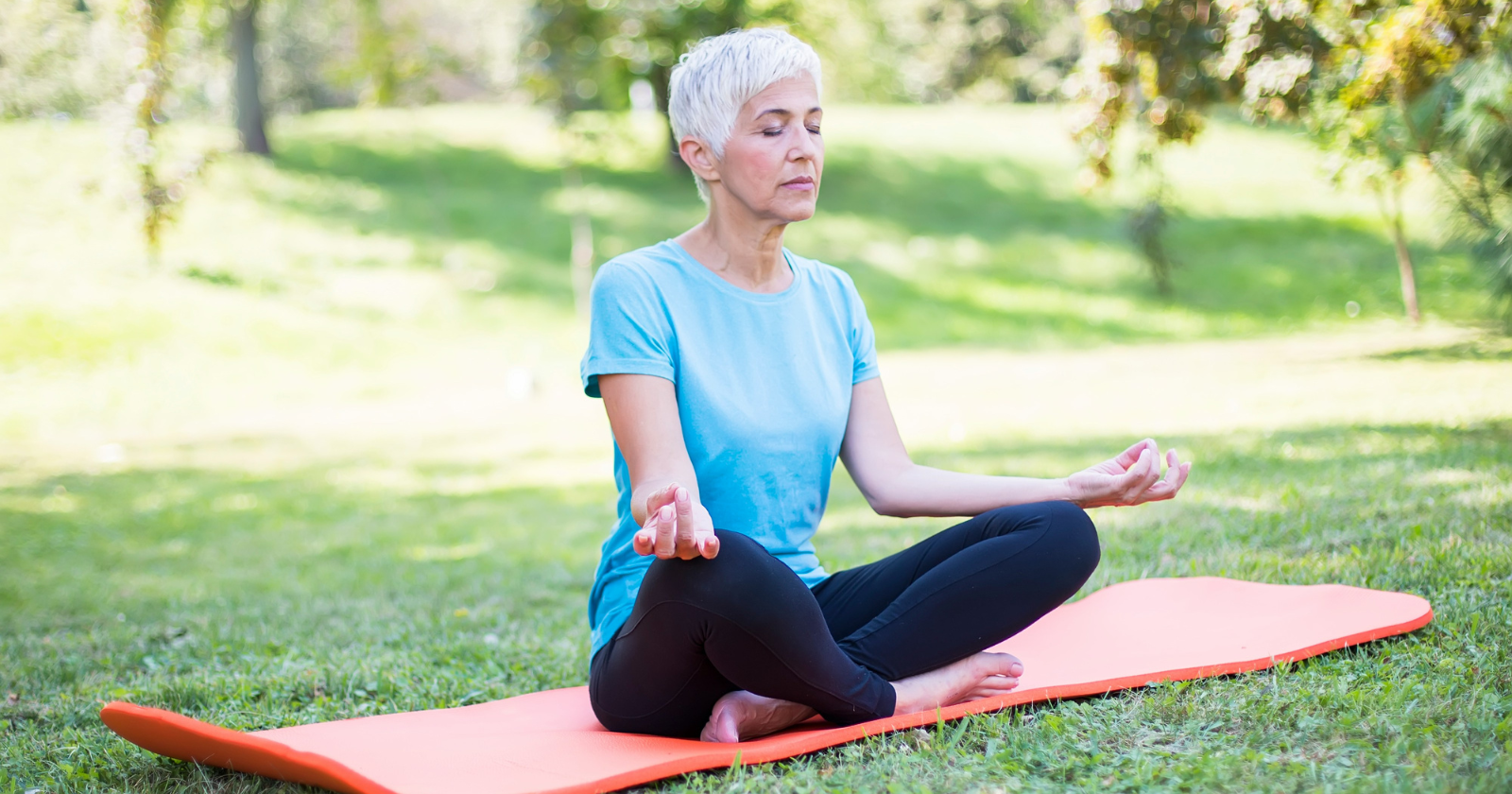
5. Gentle yoga stretches
You don’t need to twist into pretzel shapes or master complicated poses. Basic yoga stretches can transform how your body feels, especially after years of inactivity.
Three simple stretches to start: Cat-cow for your spine, child’s pose for your back and hips, and seated forward fold for your hamstrings.
For cat-cow, get on hands and knees. Arch your back up like a cat, then lower your belly and lift your chest. Move slowly between these positions, syncing with your breath.
Child’s pose involves sitting back on your heels with arms stretched forward. It’s incredibly restorative and helps release lower back tension.
The seated forward fold is exactly what it sounds like. Sit with legs extended and gently reach toward your toes. Don’t force it — just breathe and let gravity do the work.
During my anxious twenties, I discovered that stretching wasn’t just physical. Those moments of gentle movement and focused breathing became anchors in chaotic days. They still are.
Spend 5-10 minutes on these stretches, preferably after your other exercises when muscles are warm. You’ll sleep better, move easier, and feel less creaky in the mornings.
Final words
Getting back into exercise after years away doesn’t require heroic efforts or punishing workouts. It requires kindness toward yourself and the wisdom to start where you are, not where you think you should be.
These five exercises — walking meditation, wall push-ups, chair squats, modified planks, and gentle stretches — create a complete routine that takes less than 30 minutes. Do them three times a week to start. That’s enough to build momentum without overwhelming your body or schedule.
Remember, consistency beats intensity every single time. I learned this the hard way, trying to jump back into running in Saigon’s tropical heat after months off. It was miserable and unsustainable.
What worked? Backing off. Starting gentler. Celebrating small wins like completing a week of wall push-ups or holding a plank for 30 seconds.
Your body wants to move. It’s designed for it. These exercises simply remind your muscles and joints how good movement feels. Soon, you’ll find yourself naturally wanting to do more — maybe a longer walk, an extra set of squats, or trying that yoga class you’ve been curious about.
But for now? Just start. Pick one exercise from this list and do it today. Your future self will thank you.

























