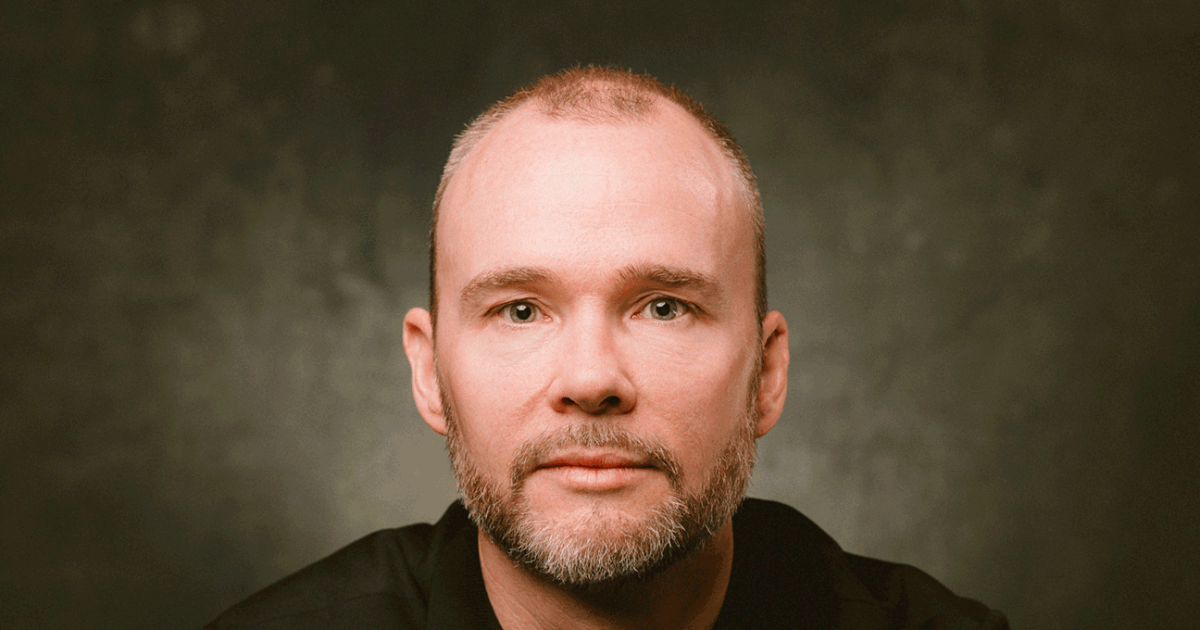
For 18 months, Drew Boyer drove past the same fire station on his way to and from work, never giving much thought to turning its inhabitants into clients.
Processing Content
Boyer, whose firm is now affiliated with LPL Financial and CME Federal Credit Union, was still in the early stages of attracting clients after founding Boyer Financial Group in Worthington, Ohio, just outside Columbus, in 2010. Part of his efforts included email blasts offering lunch-and-learn opportunities.
“One of the people who it went to was the fire chief, and he accidentally hit ‘yes.’ One of my rules was, if somebody hits yes on this, you have two minutes to call them,” Boyer said. “So I call him up, and he’s like, ‘I meant to hit no.’ I said, ‘Well, I’m here now.'”
The chief told Boyer he could bring pizzas to the station three times — corresponding to the station’s different shifts.
“I slowly got 10 people the first day, 15, 25 after that,” Boyer said. “There was one particular guy who came in all three days, and I looked at him and said, ‘I thought you guys just work one day on and two days off.’ And he said, ‘Free pizza’s free pizza. Welcome to the firehouse.'”
READ MORE: Know Your Niche: From guitar player to advising Nashville’s stars
Despite the fact that the department’s hungriest firefighter never became a client, Boyer said he learned a lot about what first responders needed in those sessions and the many follow-ups he did over more than a year. Now his firm is about 85% first responders, including police officers.
Below, he discusses how he got his foot in the door and built a niche that meets the needs of his clients.
This conversation has been lightly edited for clarity and length.
Financial Planning: What did you learn about how to serve first responders in those early days?
Boyer: One of the questions you have to ask is, “What kind of person do you need to be to work with firefighters?” Well, don’t sell insurance. They are fish in a barrel at the station, and they are hit up by every insurance salesman there is. So when I went in, I was talking to them about investing.
They have defined benefit plans, which are a dying breed. It took about a year and a half of pretty hard politicking, but I got added as an additional deferred compensation option — a 457(b) plan. Once I got added on, I probably had half of the department right away.
FP: Are you exclusively with firefighters? Or does what you do translate to EMTs and police officers?
Boyer: In Ohio, you have to be a medic and a firefighter. So they’re all at one spot.
Then in 2020, all of a sudden my phone started blowing up with police officers that wanted to retire in the state of Ohio, and they shared the same pension plan. So it’s all the same paperwork. It’s the same systems. A friend of a friend was one of the mayor’s bodyguards, and he called me up out of the blue and said he was ready to retire, and his wife was a police officer as well. Being with the mayor all the time, he literally knew +everybody.
And 2020 was when things were going on with George Floyd, and a lot of police officers wanted to walk away. They were at the George Floyd protests. This one gentleman’s wife got something thrown at her. They got it at work. Then when they’re going home, they were still seeing their neighbors, and it was double the amount of stress that was going on with their work. They were saying “I think I’m done. Can you let me know if I can retire?”
FP: Were they able to retire? And did that cause any planning issues for them?
Boyer: In Columbus, they were actually paying officers to retire after that. It was just the national mood. They were paying like $200,000 to the first 100 people that took it. There were a lot of tax questions, a lot of pension questions. I got an influx of business just from that event alone.
READ MORE: 5 retirement planning strategies for 2026
Financial Planning: How do you connect with clients in this space?
Boyer: You have to understand their mindset. Our business is so full of acronyms. They’re like, “Talk to my head, not over it.” So I can make things in finance seem pretty normal, give them normal examples that they understand.
I also want to be empathetic for their situations. They are out seeing this stuff on a regular basis that you and I don’t have to see. They can carry demons or ghosts. A lot of people say they see those, too, because they are responding to things where there are dead people, there are fatalities.
I remember talking to a therapist, and I thought the stat was, like, 1 in 4 had PTSD. He said, “No, it’s 100%, not 25%.” It just depends on when it hits. It can be early in the career. It can be later. You’ve got to understand that their mind can have PTSD, and it can go wrong early and they need to get out, or it can happen later, or their bodies are breaking down.
There’s also significant cancer and heart issues in that group. So they can put in 25 hard-earned years, and they can leave in their mid-50s. The pension system gives them a max of 20 years of life expectancy. Talking to them and understanding their own situations is the most integral part of working with that group of people.
FP: Are there other challenges for you working with this kind of client?
Boyer: They just want to know, “Am I good to retire if I wanted to leave at this date? Here’s all my stuff. Tell me if I’m good or not.” They just want a yes or no, and if it’s a no, what can we do to get there? But make it very easy for me to understand and tell me what to do.
I was 23 when I got started, and I was like, “Hey, I don’t have anything, but you should probably trust me to figure this all out for you.” It was definitely a catch-22 up front. I had to be able to work my way up and then get the trust built up with a group of people. But it’s been nonstop referrals since. I don’t ever advertise.
READ MORE: How young advisors can build client trust
FP: What other challenges do first responders face when trying to retire?
Boyer: The No. 1 problem is health insurance. They have this gap of about 10 years that they have to fill before they’re Medicare-eligible. The pension system used to offer a group health insurance policy for them all. It got way too expensive because of their health issues, and so they cut it and transferred everything into a stipend fund. You have to go get your own.
A lot of people end up going back to work because it’s very, very easy to pay $2,500 a month just for a husband and wife for health insurance. It’s a house payment. They pay off their house to retire. That’s pretty much when they retire now, and then they suddenly get this new house payment for 10 more years.
The other thing is to make sure they utilize their deferred-compensation plans. There’s no age limit on it. It’s just when you’re severed from employment, you’re able to take out redemptions from it and get paid money from it every month — you just have to withhold the right amount of taxes.
FP: What’s your best advice for someone who’s trying to develop a niche?
Boyer: Somebody told me earlier on, “You’re going to run out of friends and family. You’d better have something that you’re a specialist in.”
I think your personality needs to play a huge part in that. If you’re pretty technical, you should probably be talking to pretty technical people. I tend to be a little bit more jokey, a little bit more comedic in life, but I can still make it make sense for the average blue-collar worker. That’s where I thrive. So I think that your personality needs to mesh up with whatever client base that you’re going to serve.