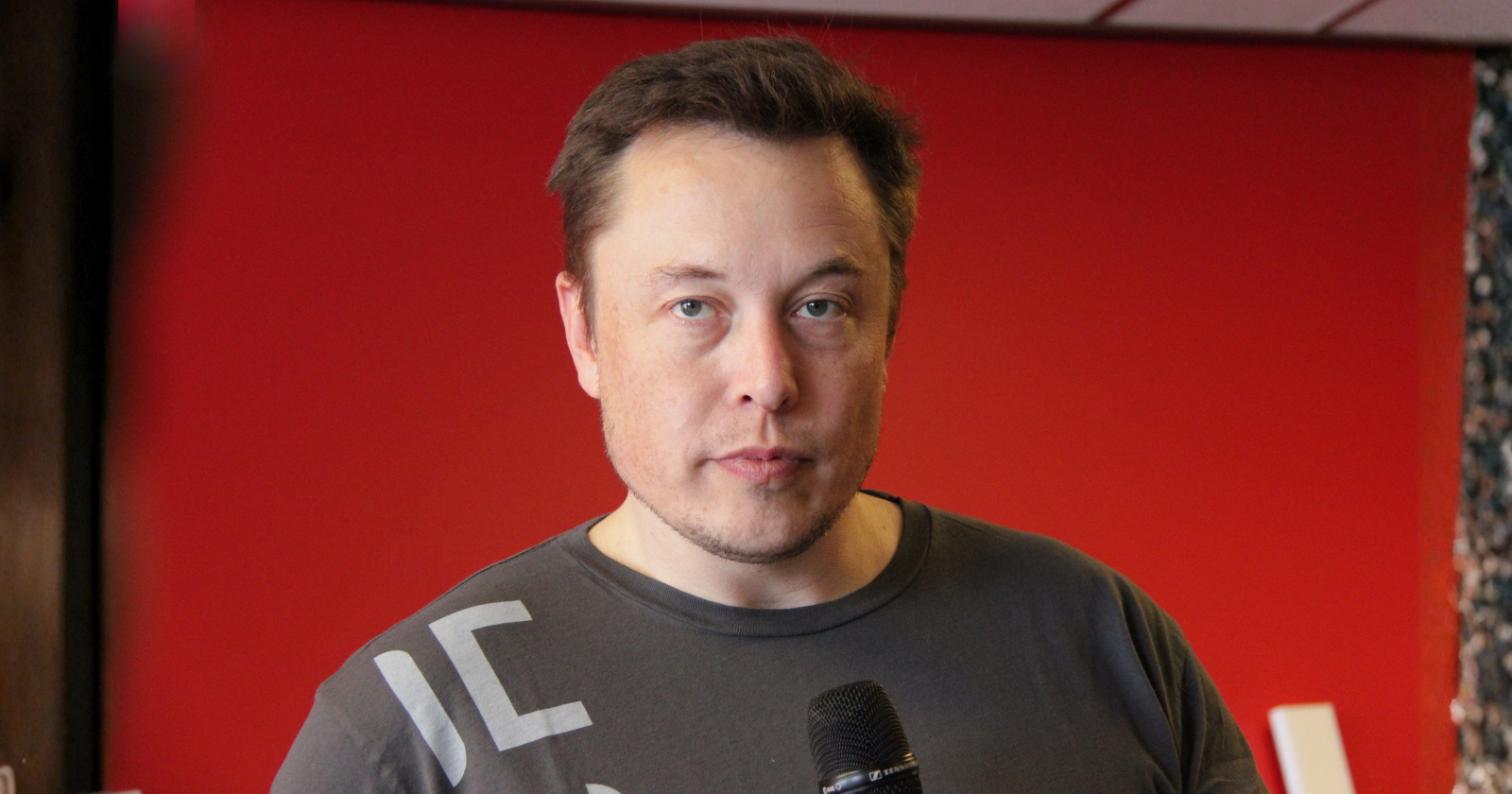
Elon Musk closed out 2025 with a personal fortune estimated at $726.3 billion, cementing his position as the wealthiest individual on the planet and marking one of the most dramatic accumulations of wealth in modern history.
The Tesla and SpaceX chief executive’s net worth now exceeds the gross domestic product of numerous industrialized nations and surpasses the market capitalization of some of the world’s largest corporations.
Musk’s financial trajectory accelerated throughout 2025, driven by surging valuations in his portfolio of companies and strategic business developments that position him on a path toward becoming the world’s first trillionaire.
The numbers behind unprecedented wealth
According to Forbes’ Real-Time Billionaires List, Musk’s wealth more than doubles that of his nearest competitor. Google co-founder Larry Page follows in second place with an estimated $256.9 billion, while Oracle chairman Larry Ellison holds approximately $245 billion. The $470 billion gap between Musk and Page represents a historic disparity in the rankings of the ultra-wealthy, highlighting how far Musk has pulled ahead of other tech titans.
The scale of Musk’s fortune places it in extraordinary context when measured against national economies. If his net worth were a country, it would rank as the 23rd largest economy in the world, ahead of Belgium, Ireland, Argentina and Sweden. His personal valuation exceeds the market capitalizations of pharmaceutical giant Johnson & Johnson at $498.6 billion, luxury conglomerate LVMH at $375.9 billion, and even Oracle itself at $560 billion.
SpaceX valuation drives historic surge
A pivotal factor in Musk’s wealth explosion came in December when SpaceX completed an insider share sale that valued the rocket and satellite company at approximately $800 billion.
The transaction nearly doubled the per-share price from July’s valuation of $400 billion, with shares priced at $421 compared to the earlier $212. The move reclaimed SpaceX’s title as the world’s most valuable private company, surpassing OpenAI’s $500 billion valuation from October.
SpaceX announced plans for a potential initial public offering in 2026, with the company stating the funds would support an expanded flight rate for its developmental Starship rocket, space-based artificial intelligence data centers, and establishing a base on the moon. Musk owns approximately 42% of SpaceX, translating to a stake worth roughly $317 billion.
The company’s Starlink satellite internet service, which serves millions of customers globally with over 7,600 operational satellites, generates more than $10 billion in annual recurring revenue and provides the cash flow engine justifying such aggressive valuation multiples.
Beyond SpaceX, Tesla’s performance throughout the year contributed significantly to Musk’s wealth, despite periodic volatility. Tesla shares gained 18% over the year, approaching $500 in earlier trading before closing at $449.72 on the final trading day of 2025. A Delaware Supreme Court ruling in December restored Musk’s previously contested $55 billion compensation package from Tesla, adding approximately $139 billion that had been previously discounted by Forbes. The court’s decision reversed a lower court ruling that had called the compensation an “unfathomable sum.”
A compensation package that rewrites executive pay
In November, Tesla shareholders approved an unprecedented compensation package that could award Musk nearly $1 trillion in stock over the next decade if the company meets specific performance targets.
The package comprises 12 tranches of shares to be granted as Tesla hits certain milestones, potentially increasing Musk’s ownership from approximately 12% to 25% and adding an additional 423 million shares to his current holdings.
The arrangement represents the largest such deal ever structured between a chief executive and a company board, tying Musk’s personal earnings directly to Tesla’s valuation and revenue growth.
The historic compensation strategy has drawn scrutiny from proxy advisors and raised questions about income inequality at the highest levels of corporate America. Critics point to the growing disparity between executive compensation and average worker pay, with CEO earnings now reaching multiples hundreds of times greater than typical employee salaries. Supporters argue the performance-based structure aligns Musk’s interests with shareholder value creation and reflects the unprecedented scale of Tesla’s ambitions.
Conclusion
Musk’s $726 billion net worth represents more than a personal milestone. His wealth accumulation reflects broader trends in how markets value technology platforms versus traditional industrial companies, with investors categorizing SpaceX alongside high-growth entities rather than conventional aerospace manufacturers.
The trajectory shows little sign of slowing, positioning Musk closer to becoming the world’s first trillionaire than losing his position as the richest person alive. Whether this concentration of wealth signals innovation-driven capitalism at its finest or raises concerns about economic inequality remains a central debate as 2026 begins.