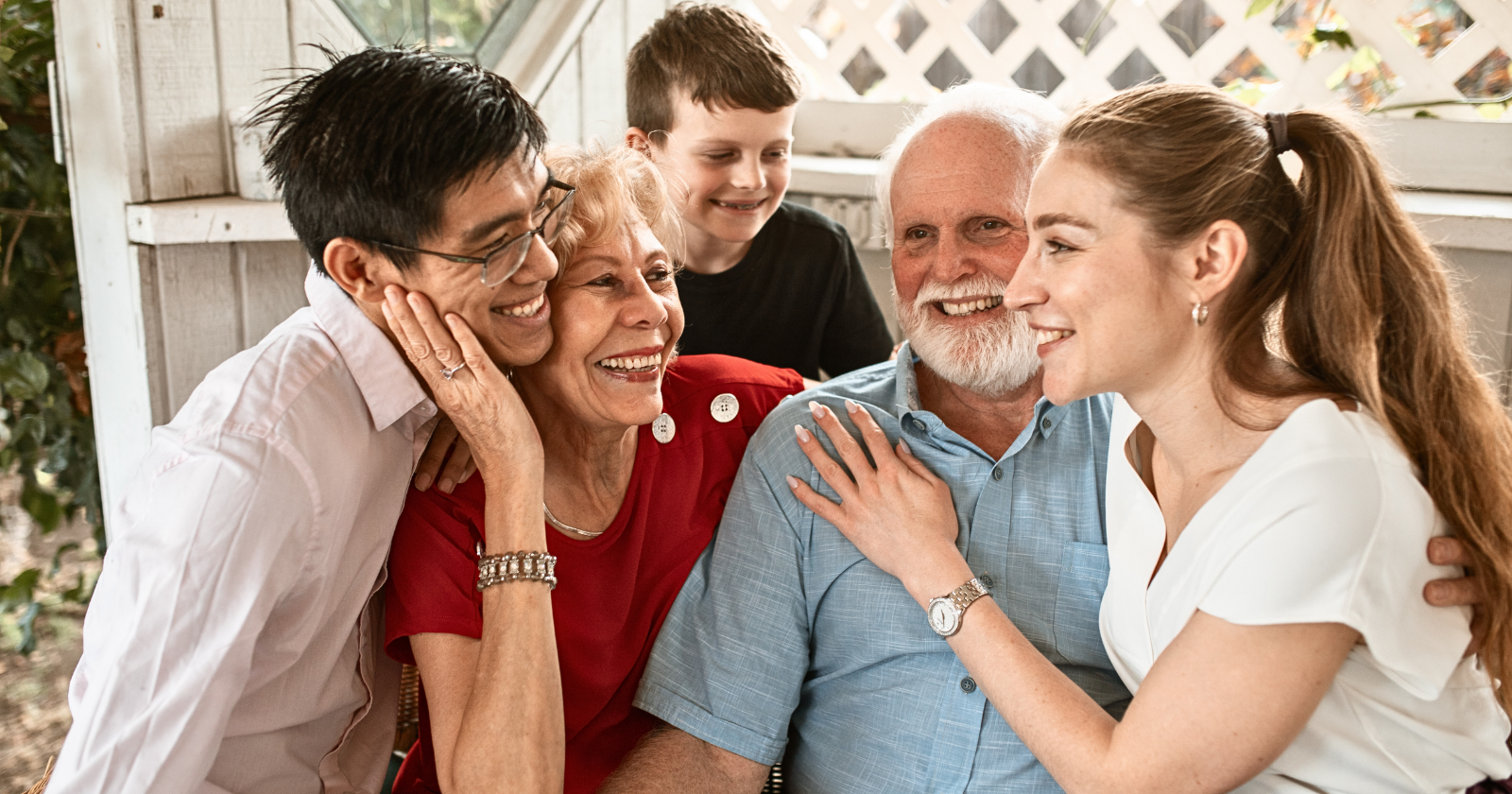
Picture this: Two sets of grandparents at a family gathering. One pair sits alone on the couch, occasionally checking their phones while their grandkids play in another room. The other? They’re on the floor building LEGOs, their grandchildren hanging on their every word as they share stories and jokes.
What makes the difference? Why do some grandchildren count down the days until they see their grandparents while others groan when it’s time for the obligatory visit?
After spending time with dozens of families and watching my own five grandchildren (ranging from 4 to 14) grow up, I’ve noticed something interesting. The grandparents who have genuinely close relationships with their grandkids have consciously avoided certain behaviors that many others don’t even realize are pushing their grandchildren away.
These aren’t terrible people or bad grandparents. They love their grandchildren deeply. But sometimes love isn’t enough if it’s wrapped in outdated approaches that create distance instead of connection.
1. They don’t dismiss their grandchildren’s interests as “silly” or “a waste of time”
Remember when you were young and an adult rolled their eyes at something you loved? That sting stays with you.
Many grandparents unintentionally do this with modern interests. “Why would you watch someone else play video games on YouTube?” “Social media is rotting your brain.” “In my day, we played outside instead of staring at screens.”
I’ll admit, I was guilty of this myself. When my teenage grandchildren first tried explaining Minecraft to me, my initial reaction was confusion mixed with dismissal. But then I noticed something: every time I brushed off their interests, they shared a little less with me.
So I changed course. I asked them to teach me about their favorite games. I downloaded TikTok (yes, really) and asked them to show me the funny videos they liked. Was it my natural preference? Not at all. But seeing their faces light up when I genuinely engaged with their world? That made every awkward moment worth it.
The grandparents who maintain close relationships understand that connection matters more than being right about screen time or the “proper” way to spend an afternoon.
2. They don’t constantly compare today’s kids to “how things used to be”
“When I was your age, we walked five miles to school.” “Kids today don’t know how good they have it.” “We were so much more respectful back then.”
Sound familiar? These comparisons might seem harmless, but they send a clear message: the past was better, and by extension, today’s kids are somehow lacking.
During our weekly nature walks (something I started to help teach my grandchildren mindfulness), I catch myself sometimes wanting to launch into stories about how we entertained ourselves without technology. Instead, I’ve learned to ask them questions about their lives, their challenges, their dreams.
The most connected grandparents recognize that every generation faces its own unique struggles. Today’s kids navigate social media pressures, school shootings drills, and a pandemic that stole years of normal childhood. Dismissing their experiences by constantly referencing “the good old days” only widens the generational gap.
3. They don’t treat visits like performances or photo opportunities
How many grandparents spend family gatherings orchestrating the perfect photo for Facebook while barely engaging with the actual children in front of them?
I’ve watched grandparents interrupt genuine moments of connection to stage photos, turning natural interactions into performances. “Stand here, smile bigger, let’s get one with better lighting.” The kids’ genuine joy fades into forced smiles, and the real moment is lost.
The grandparents with the strongest relationships focus on presence over presentation. They might take a quick photo, but they’re not directing a photoshoot. They understand that the memories that matter most often can’t be captured on camera.
4. They don’t use guilt as a connection tool
“I won’t be around forever, you know.” “I guess you’re too busy for your old grandparents.” “We barely see you anymore.”
Guilt might get you a visit, but it won’t get you a relationship. Kids (and their parents) who feel manipulated into spending time together rarely enjoy it. They show up out of obligation, count the minutes, and leave feeling drained rather than loved.
The most beloved grandparents make spending time with them so enjoyable that their grandchildren genuinely want to be there. They create an environment free from emotional manipulation, where visits are anticipated rather than dreaded.
5. They don’t insist on being the authority on everything
One of the hardest things I’ve had to learn? Sometimes being a grandfather means knowing less than my grandchildren about certain topics, and that’s okay.
When my 12-year-old grandson explains a scientific concept he learned in school that contradicts what I was taught decades ago, my first instinct might be to correct him. But science evolves. Knowledge expands. Insisting on being right about everything just makes me seem stubborn and out of touch.
The grandparents who maintain close relationships have learned the power of saying, “I didn’t know that, tell me more” or “That’s different from what I learned, how interesting!” They’re secure enough to learn from their grandchildren, creating a dynamic exchange rather than a one-way lecture.
6. They don’t ignore boundaries set by parents
“What mom doesn’t know won’t hurt her.” “Let’s keep this our little secret.” “Your parents are too strict.”
Undermining parental authority might seem like a way to be the “fun” grandparent, but it actually creates tension and confusion for children. It also damages the trust between generations, making parents reluctant to allow unsupervised time with grandparents.
I’ve learned that respecting my children’s parenting choices, even when I might do things differently, actually strengthens my relationship with my grandchildren. They see me as part of their support team rather than someone trying to create division.
7. They don’t make everything about themselves
During my special one-on-one days with each grandchild, I’ve noticed something powerful happens when I stop trying to impart wisdom and just listen. Really listen.
Too many grandparents treat time with grandchildren as an opportunity to share their stories, their accomplishments, their advice. While sharing family history has value, constantly steering conversations back to yourself sends a message that your grandchild’s thoughts and experiences are less important.
The most connected grandparents have mastered the art of being genuinely curious about their grandchildren’s lives. They ask follow-up questions. They remember details from previous conversations. They celebrate their grandchildren’s victories, no matter how small.
Final thoughts
Being a grandparent who genuinely connects with their grandchildren requires something I wasn’t very good at as a younger father: intentional presence and flexibility. It means setting aside my preferences, my comfort zone, and sometimes my pride to meet my grandchildren where they are.
The behaviors that push grandchildren away aren’t usually malicious. They’re often rooted in love, concern, and a desire to share wisdom. But impact matters more than intention.
Every week when my grandchildren eagerly ask, “When’s our next adventure?” I’m reminded that the effort to avoid these common pitfalls pays dividends. The relationship we’re building isn’t just about today. It’s about creating bonds strong enough to last through their teenage years, young adulthood, and beyond.