No Result
View All Result
SUBMIT YOUR ARTICLES
  • Login
Tuesday, June 30, 2026
TheAdviserMagazine.com
  • Home
  • Financial Planning
    • Financial Planning
    • Personal Finance
  • Market Research
    • Business
    • Investing
    • Money
    • Economy
    • Markets
    • Stocks
    • Trading
  • 401k Plans
  • College
  • IRS & Taxes
  • Estate Plans
  • Social Security
  • Medicare
  • Legal
  • Home
  • Financial Planning
    • Financial Planning
    • Personal Finance
  • Market Research
    • Business
    • Investing
    • Money
    • Economy
    • Markets
    • Stocks
    • Trading
  • 401k Plans
  • College
  • IRS & Taxes
  • Estate Plans
  • Social Security
  • Medicare
  • Legal
No Result
View All Result
TheAdviserMagazine.com
No Result
View All Result
Home IRS & Taxes

10 Online Tax Filing Security Tips to Protect Your Info

by TheAdviserMagazine
9 months ago
in IRS & Taxes
Reading Time: 7 mins read
A A
10 Online Tax Filing Security Tips to Protect Your Info
Share on FacebookShare on TwitterShare on LInkedIn


E-filing your taxes online is fast and convenient, but it also means putting sensitive personal and financial data out into the digital world. Hackers and scammers are always looking for ways to steal taxpayer information, so keeping your information secure matters. At TaxAct®, security is a top priority for us. We work hard to protect your data with industry-standard safeguards, but it’s also important to do your part by practicing smart online safety habits.

Here are 10 practical steps you can take to help protect your personal information, especially during tax season.

1. Keep your software updated.

It’s a good idea to install updates for your computer’s operating system, browser, and apps as soon as they become available. Why? Updates often include security patches that fix weaknesses hackers could exploit. To make life easier, try enabling automatic updates and scheduling regular antivirus scans.

2. Use strong, unique passwords.

TaxAct requires password complexity to help with sign-in security. A strong password mixes uppercase and lowercase letters, numbers, and symbols. The longer the better! Consider also using a password manager to generate and safely store unique logins for each account.

3. Avoid auto logins.

Convenience can backfire. When possible, opt to skip browser and app “remember me” features that automatically fill in usernames and passwords. If your device is ever lost, stolen, or hacked, those auto logins are like leaving the front door to your house wide open.

4. Turn on multifactor authentication (MFA).

TaxAct uses MFA for an extra layer of sign-in security. When you log in, you’ll need to enter a one-time code sent to your phone or generated through an authenticator app. That way, even if someone guesses your password, they can’t access your account without that code.

5. Use and update your security software.

Security software isn’t much help if it’s sitting idle. Make sure your antivirus and firewall are always enabled and set to update automatically — this helps close the gaps that hackers try to exploit. It’s also a smart move to regularly back up and encrypt sensitive files (like tax records, school transcripts, and college applications), so they stay protected even if your computer is compromised. And don’t forget about shared devices! Every family member should have comprehensive antivirus protection on their laptops, tablets, and phones.

6. Watch out for suspicious links and downloads.

Never click links, open files, or download attachments from unknown sources. Scammers often disguise malicious files to look legitimate. Always remember: If that free software offer feels too good to be true, it probably is!

7. Double-check website security before sharing info.

Before entering personal information online, always make sure the website is legitimate and secure. Do not proceed if you receive warnings from your browser indicating that a connection is not secure or that a website certificate has expired.

8. Type in URLs directly.

Instead of clicking links in emails or texts, especially from unknown sources, type the site’s address directly into your browser. This helps you avoid phishing attempts designed to trick you into handing over sensitive data.

9. Secure your Wi-Fi network.

Lock down your home Wi-Fi with a strong password and WPA3 encryption if available. It’s also a good idea to avoid using unsecured public Wi-Fi to file taxes or access your financial accounts. If you need to connect on a public network, use a virtual private network (VPN) for an extra layer of protection.

10. Stay alert for signs of identity theft.

Identity thieves sometimes use stolen Social Security numbers (SSNs) to file fake tax returns. Warning signs someone may have filed a tax return using your SSN include:

The IRS notifies you that multiple tax returns were filed under your SSN.

You get a notice about income from an employer you don’t recognize.

You’re told you owe taxes for a return you didn’t file.

Unfortunately, new scams pop up every year (like this text message scam from early 2025), so it’s important to stay vigilant. Always treat unsolicited requests for personal information with a healthy dose of skepticism for your own protection.

If you suspect tax-related identity theft, report it right away at IdentityTheft.gov and follow the steps outlined on the IRS’s Report a tax scam or fraud page. These resources walk you through how to file Form 14039 (Identity Theft Affidavit), what to do if your return is rejected because of a duplicate SSN, and how to handle other types of tax scams or fraud.

How TaxAct protects your information

Security doesn’t stop with you. At TaxAct, we use the following sign-in features to be sure it’s really you accessing your account:

Password complexity requirements

Multifactor authentication

Trusted device verification

Plus, you can count on the following important safeguards during the filing process with us:

TaxAct encrypts your data whenever it’s sent to us or the IRS using industry-standard Secure Sockets Layer (SSL) protocol.

The IRS will notify you if a tax return has already been filed using your Social Security number. This notice could be the result of something simple, like a typo, or it might indicate potential identity theft.

TaxAct is also enrolled in VikingCloud’s Trusted Commerce® remote compliance program to validate compliance with the Payment Card Industry (PCI) Data Security Standard (DSS). This helps ensure the safety of your payment information.

When you see the lock icon in your browser while using TaxAct, you can be confident your information is encrypted and securely transmitted.

FAQs about online security and taxes


Is it safe to file my taxes online?

Yes. TaxAct follows industry-standard best practices to protect your personal data, including encryption and secure server storage. Filing online is both safe and efficient when combined with good security practices.


What should I do if I think someone stole my identity?

Report the issue at IdentityTheft.gov right away. You should also notify the IRS. TaxAct cannot provide details on another person’s return for security reasons, but we always cooperate with the IRS and law enforcement during investigations.


Where can I find secure and reliable tax filing software?

Look for established tax providers with a track record of compliance and strong security practices. TaxAct, for example, uses encryption and multifactor authentication to help keep your information safe.


Which online tax services provide fraud alerts and protection?

Not all tax software offers fraud monitoring. But to help you spot potential identity theft early, TaxAct provides SSN notifications if your Social Security number was already used to file another tax return.


How can I ensure my online tax return is secure and private?

To protect your personal information when filing taxes online, follow the 10 tips outlined in this guide. Always use strong passwords, enable multifactor authentication, and file your return on a secure network. Filing with TaxAct also ensures your return is encrypted when transmitted to the IRS.


Can I use public Wi-Fi to file my taxes?

It’s not recommended. To protect your info, use a secure, password-protected network whenever possible. If you must use public Wi-Fi, connect through a VPN (virtual private network) for extra protection.


What’s the safest way to upload tax documents online?

Only upload documents through secure, encrypted platforms like TaxAct’s online filing system. Avoid emailing sensitive tax files or storing them on shared devices.


Are my tax documents secure with TaxAct?

Yes. TaxAct encrypts your tax documents during transmission and stores them on secure servers with multiple layers of network protection. We also comply with PCI DSS standards to protect your payment information.

The bottom line

Cybersecurity threats, unfortunately, aren’t going away, but you can outsmart scammers and identity thieves by taking proactive steps to keep your personal information secure. By combining smart personal habits with TaxAct’s strong security measures, you’ll be better equipped to keep your sensitive tax information safe this filing season.

This article is for informational purposes only and not legal or financial advice.

All TaxAct offers, products and services are subject to applicable terms and conditions.

All trademarks not owned by TaxAct, Inc. that appear on this website are the property of their respective owners, who are not affiliated with, connected to, or sponsored by or of TaxAct, Inc.


Source link

Tags: filingInfoOnlineprotectSecuritytaxTips
ShareTweetShare
Previous Post

Why Buying Down Your Interest Rate Makes a Lot of Sense

Next Post

How to Prepare for the New 1099-K Thresholds in 2025 

Related Posts

edit post
EU Tax Proposal Aims to Simplify Tax Rules

EU Tax Proposal Aims to Simplify Tax Rules

by TheAdviserMagazine
June 30, 2026
0

EU businesses increasingly operate under complex, outdated, or overlapping taxA tax is a mandatory payment or charge collected by local,...

edit post
How to Make Your Assets Invisible in the Public Record |

How to Make Your Assets Invisible in the Public Record |

by TheAdviserMagazine
June 30, 2026
0

What if tomorrow you woke up and discovered you were being sued? Not because you did something wrong. Simply because...

edit post
FBAR vs. FATCA: What’s the Difference?  | Optima Tax Relief

FBAR vs. FATCA: What’s the Difference?  | Optima Tax Relief

by TheAdviserMagazine
June 29, 2026
0

Key Takeaways  FBAR and FATCA are separate reporting requirements. The FBAR (FinCEN Form 114) is filed with FinCEN to report...

edit post
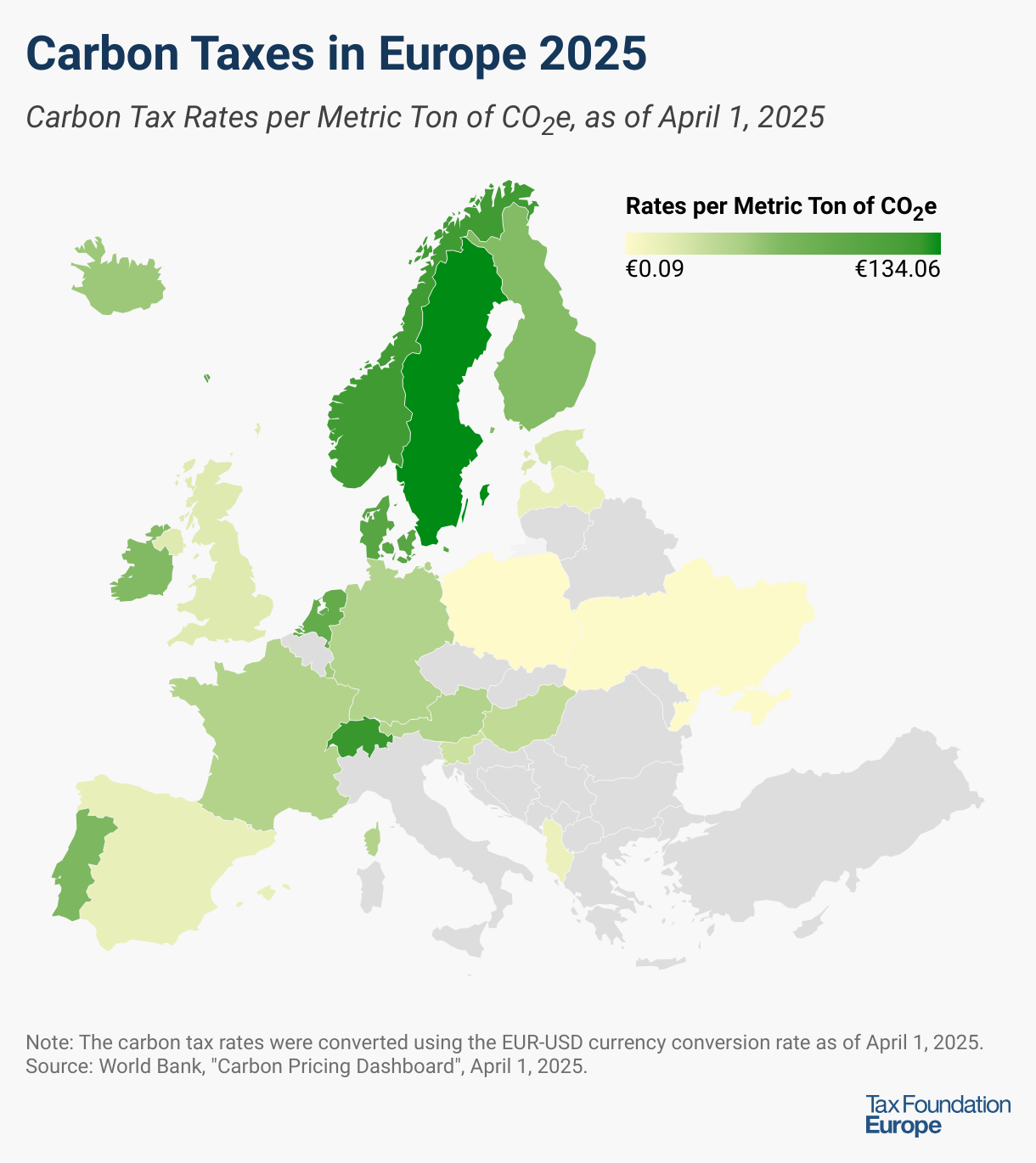
Carbon Taxes in Europe, 2026

Carbon Taxes in Europe, 2026

by TheAdviserMagazine
June 29, 2026
0

Norway currently levies the highest carbon tax rate at €146.23 ($169.71) per ton of carbon emissions, followed by Sweden (€133.17,...

edit post
Married Filing Separate, Community Property Reduction – Houston Tax Attorneys

Married Filing Separate, Community Property Reduction – Houston Tax Attorneys

by TheAdviserMagazine
June 27, 2026
0

Most small business owners think of their income as their own. You do the work. You bill the client. The...

edit post
PA Digital Ad Tax Proposal: Details & Analysis

PA Digital Ad Tax Proposal: Details & Analysis

by TheAdviserMagazine
June 26, 2026
0

Pennsylvania lawmakers are considering HB 1678, a proposal to extend the Commonwealth’s existing telecom gross receipts taxGross receipts taxes are...

Next Post
edit post
How to Prepare for the New 1099-K Thresholds in 2025 

How to Prepare for the New 1099-K Thresholds in 2025 

edit post
How to Claim Your Service Animals On Your Taxes

How to Claim Your Service Animals On Your Taxes

  • Trending
  • Comments
  • Latest
edit post
Mass Fraud in Massachusetts Committed by Illegal Immigrants Discovered

Mass Fraud in Massachusetts Committed by Illegal Immigrants Discovered

June 22, 2026
edit post
New York Seniors: 6 STAR Tax Relief Rules That Could Put a Bigger Check in Your Mailbox

New York Seniors: 6 STAR Tax Relief Rules That Could Put a Bigger Check in Your Mailbox

June 20, 2026
edit post
5 Pennsylvania Rebate Rules Seniors Should Check Before the Property Tax/Rent Deadline

5 Pennsylvania Rebate Rules Seniors Should Check Before the Property Tax/Rent Deadline

June 18, 2026
edit post
Florida Roads Become a Battleground for Illegal Immigration

Florida Roads Become a Battleground for Illegal Immigration

June 9, 2026
edit post
Same Portfolio. Same Retirement. A 10-Mile Move Costs One Couple ,000 A Year

Same Portfolio. Same Retirement. A 10-Mile Move Costs One Couple $10,000 A Year

June 27, 2026
edit post
Louisiana’s Age-Tiered Homestead Exemption: 8 Details About the Proposed 2028 Amendment

Louisiana’s Age-Tiered Homestead Exemption: 8 Details About the Proposed 2028 Amendment

June 15, 2026
edit post
Nike’s earnings exceeded Wall Street’s expectations, but CEO Elliott Hill’s test is the World Cup

Nike’s earnings exceeded Wall Street’s expectations, but CEO Elliott Hill’s test is the World Cup

0
edit post
China-linked actors target more than technology as AI competition with U.S. intensifies

China-linked actors target more than technology as AI competition with U.S. intensifies

0
edit post
XRP Holds  Support As Wallet Growth Hits Three-Month High

XRP Holds $1 Support As Wallet Growth Hits Three-Month High

0
edit post
Ohio Cooling Help Starts July 1: 5 Senior Options

Ohio Cooling Help Starts July 1: 5 Senior Options

0
edit post
deal registration software

deal registration software

0
edit post
When Roth conversions make sense — and the smart way to pay the taxes

When Roth conversions make sense — and the smart way to pay the taxes

0
edit post
China-linked actors target more than technology as AI competition with U.S. intensifies

China-linked actors target more than technology as AI competition with U.S. intensifies

June 30, 2026
edit post
When Roth conversions make sense — and the smart way to pay the taxes

When Roth conversions make sense — and the smart way to pay the taxes

June 30, 2026
edit post
Ohio Cooling Help Starts July 1: 5 Senior Options

Ohio Cooling Help Starts July 1: 5 Senior Options

June 30, 2026
edit post
Kansas Property Tax Debate Continues: What Was Proposed and What’s Actually Available in 2026

Kansas Property Tax Debate Continues: What Was Proposed and What’s Actually Available in 2026

June 30, 2026
edit post
Ark Invest Researcher Doubts Open USD Can Beat Circle After 16% Stock Drop

Ark Invest Researcher Doubts Open USD Can Beat Circle After 16% Stock Drop

June 30, 2026
edit post
Nike’s earnings exceeded Wall Street’s expectations, but CEO Elliott Hill’s test is the World Cup

Nike’s earnings exceeded Wall Street’s expectations, but CEO Elliott Hill’s test is the World Cup

June 30, 2026
The Adviser Magazine

The first and only national digital and print magazine that connects individuals, families, and businesses to Fee-Only financial advisers, accountants, attorneys and college guidance counselors.

CATEGORIES

  • 401k Plans
  • Business
  • College
  • Cryptocurrency
  • Economy
  • Estate Plans
  • Financial Planning
  • Investing
  • IRS & Taxes
  • Legal
  • Market Analysis
  • Markets
  • Medicare
  • Money
  • Personal Finance
  • Social Security
  • Startups
  • Stock Market
  • Trading

LATEST UPDATES

  • China-linked actors target more than technology as AI competition with U.S. intensifies
  • When Roth conversions make sense — and the smart way to pay the taxes
  • Ohio Cooling Help Starts July 1: 5 Senior Options
  • Our Great Privacy Policy
  • Terms of Use, Legal Notices & Disclosures
  • Contact us
  • About Us

© Copyright 2024 All Rights Reserved
See articles for original source and related links to external sites.

Welcome Back!

Login to your account below

Forgotten Password?

Retrieve your password

Please enter your username or email address to reset your password.

Log In
No Result
View All Result
  • Home
  • Financial Planning
    • Financial Planning
    • Personal Finance
  • Market Research
    • Business
    • Investing
    • Money
    • Economy
    • Markets
    • Stocks
    • Trading
  • 401k Plans
  • College
  • IRS & Taxes
  • Estate Plans
  • Social Security
  • Medicare
  • Legal

© Copyright 2024 All Rights Reserved
See articles for original source and related links to external sites.